

Law in the Age of Artificial Intelligence
27 November 2026
L.A.W
On November
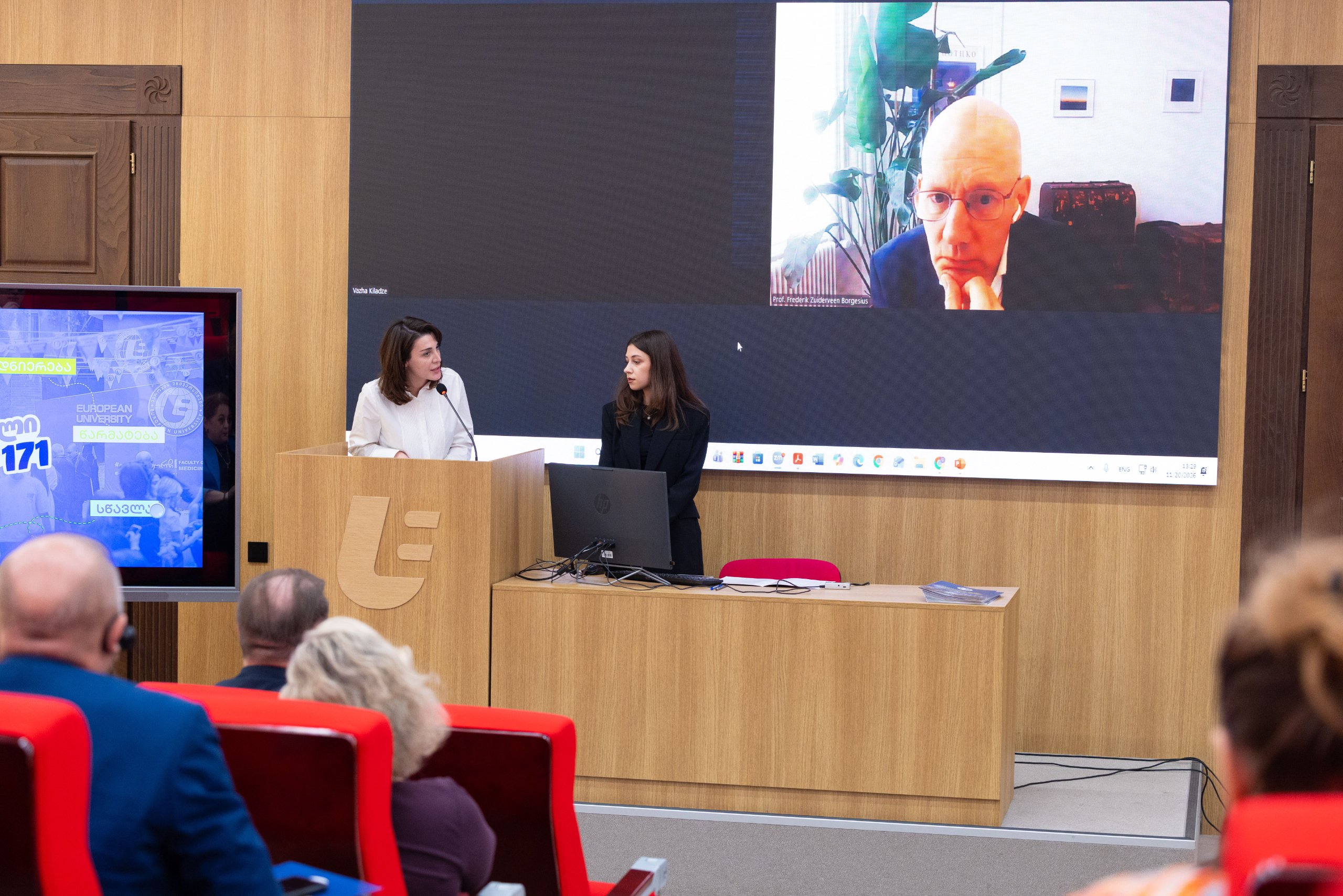
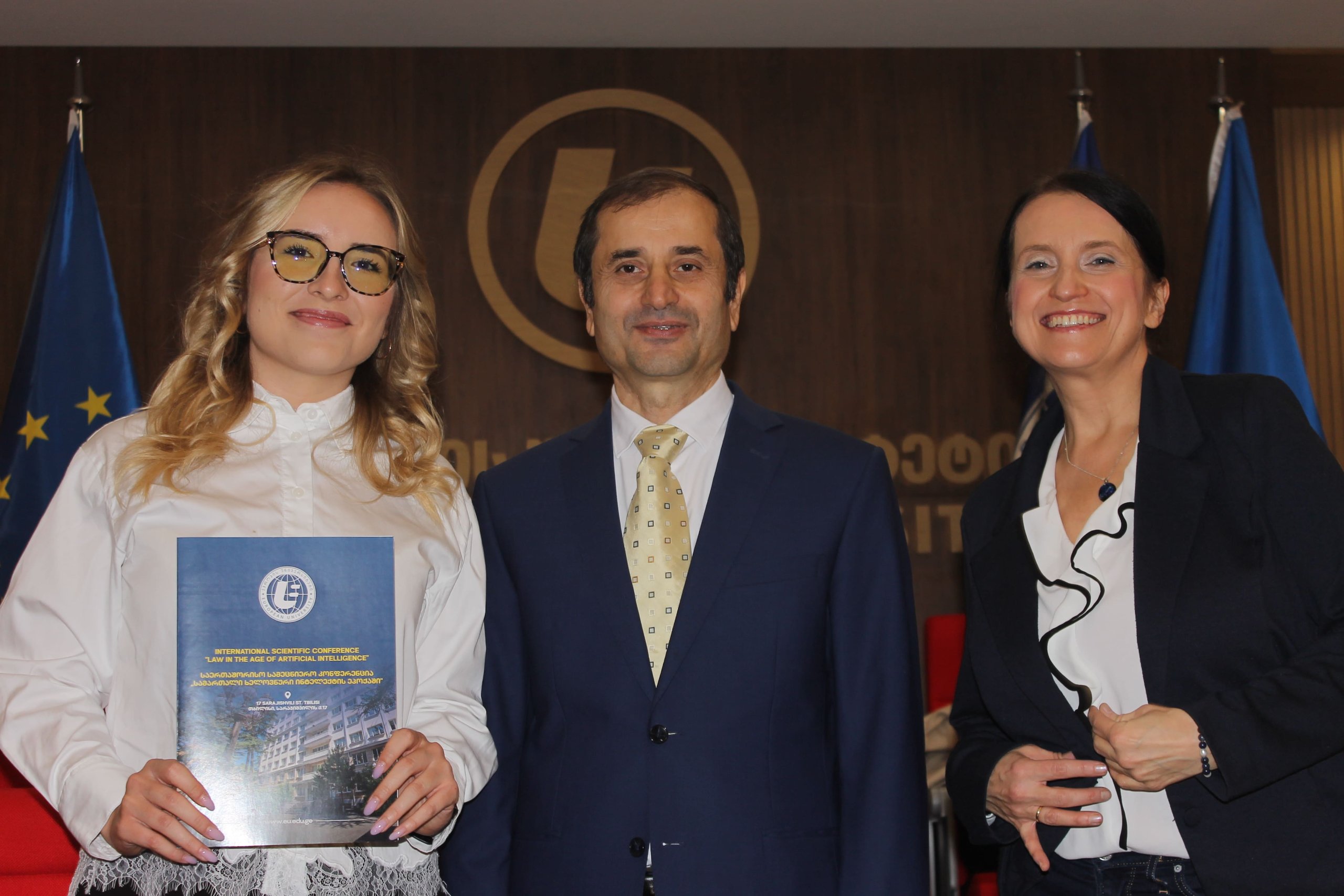
20, 2026, the European University Institute of Law held an international
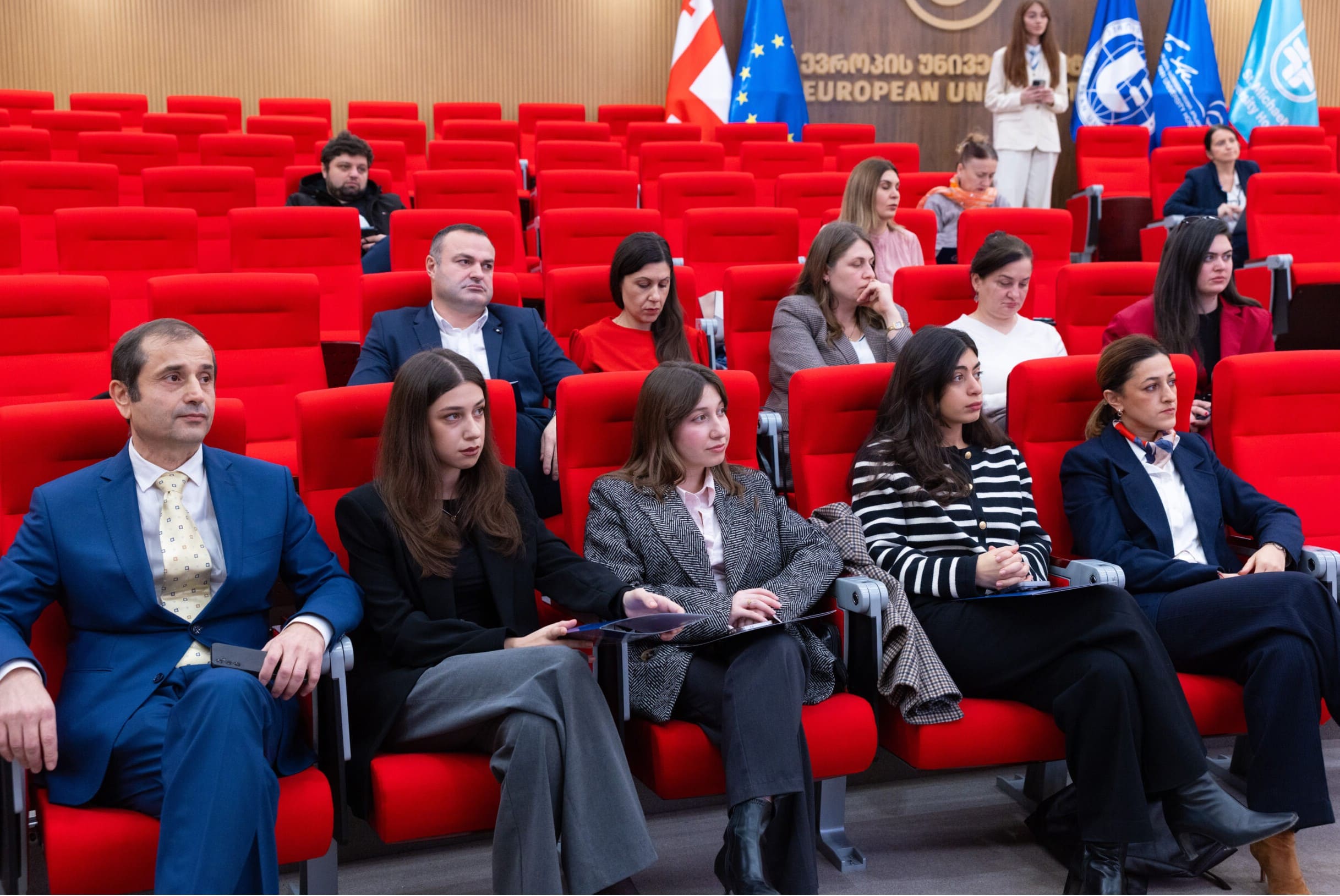
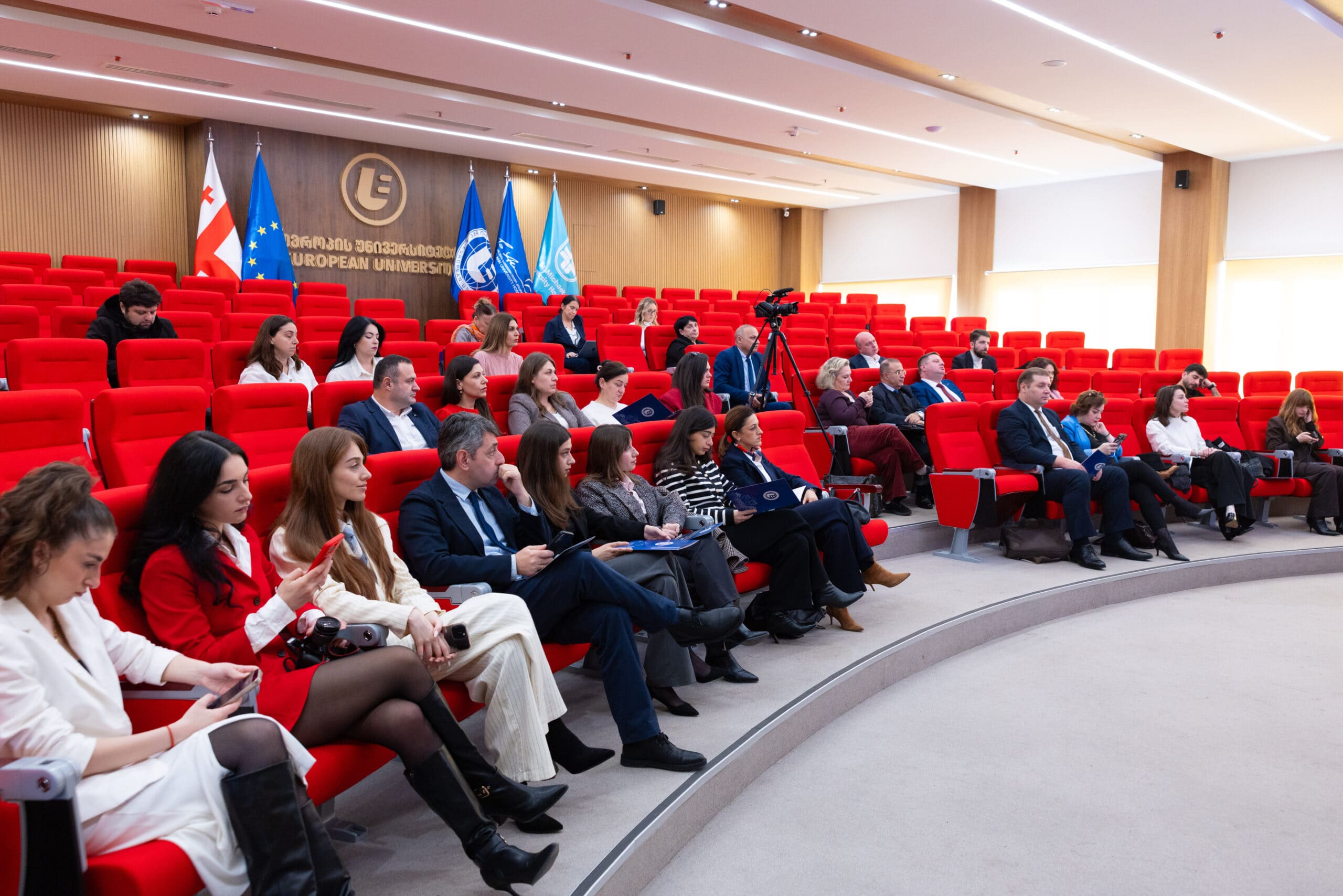
scientific conference titled “Law in the Age of Artificial Intelligence.” The
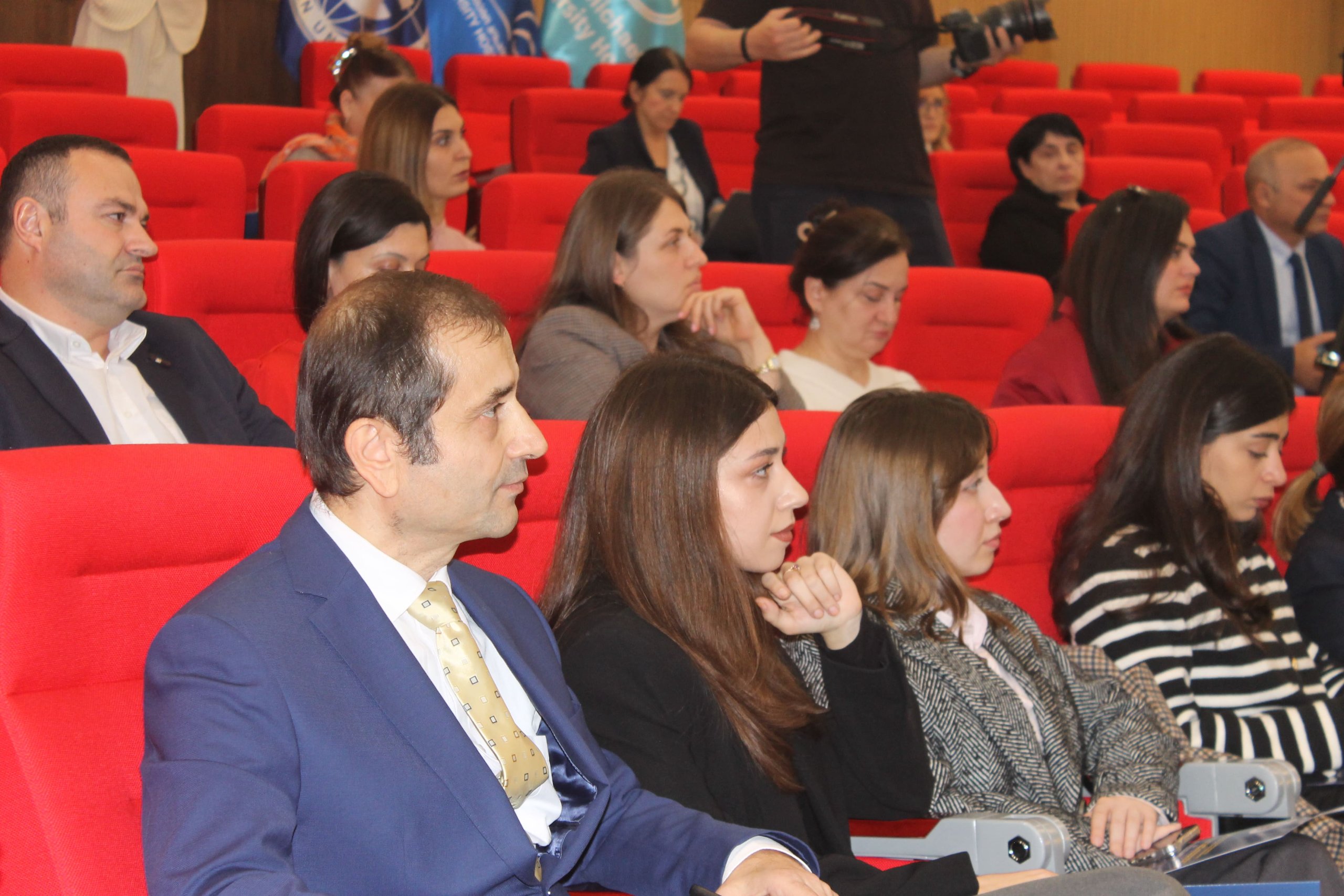
event brought together Georgian and international researchers, academics and
practicing lawyers.
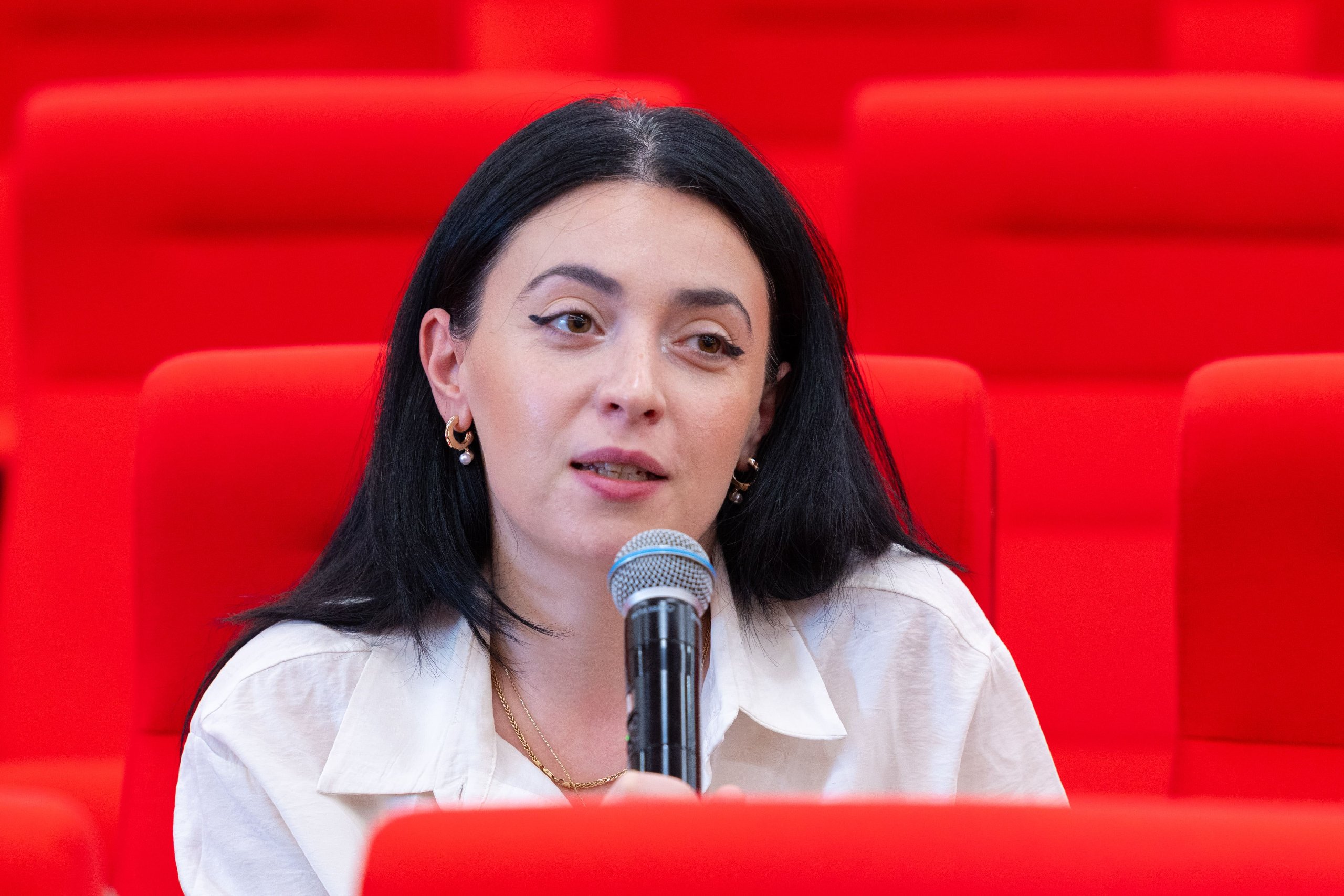
The conference
aimed to examine legal issues arising from the development of artificial
intelligence, share experiences from different countries and explore
opportunities for future research collaboration.
The event was
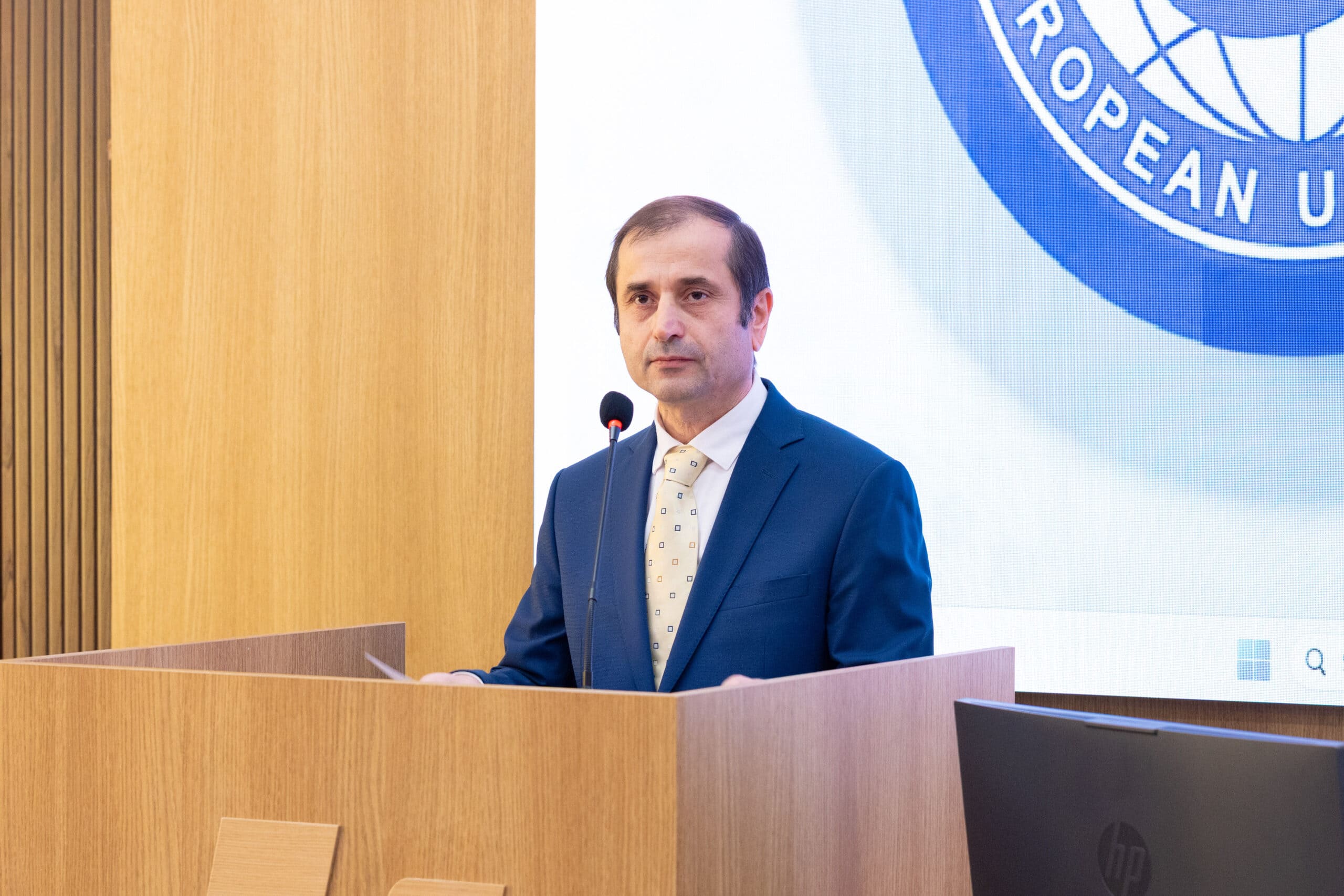
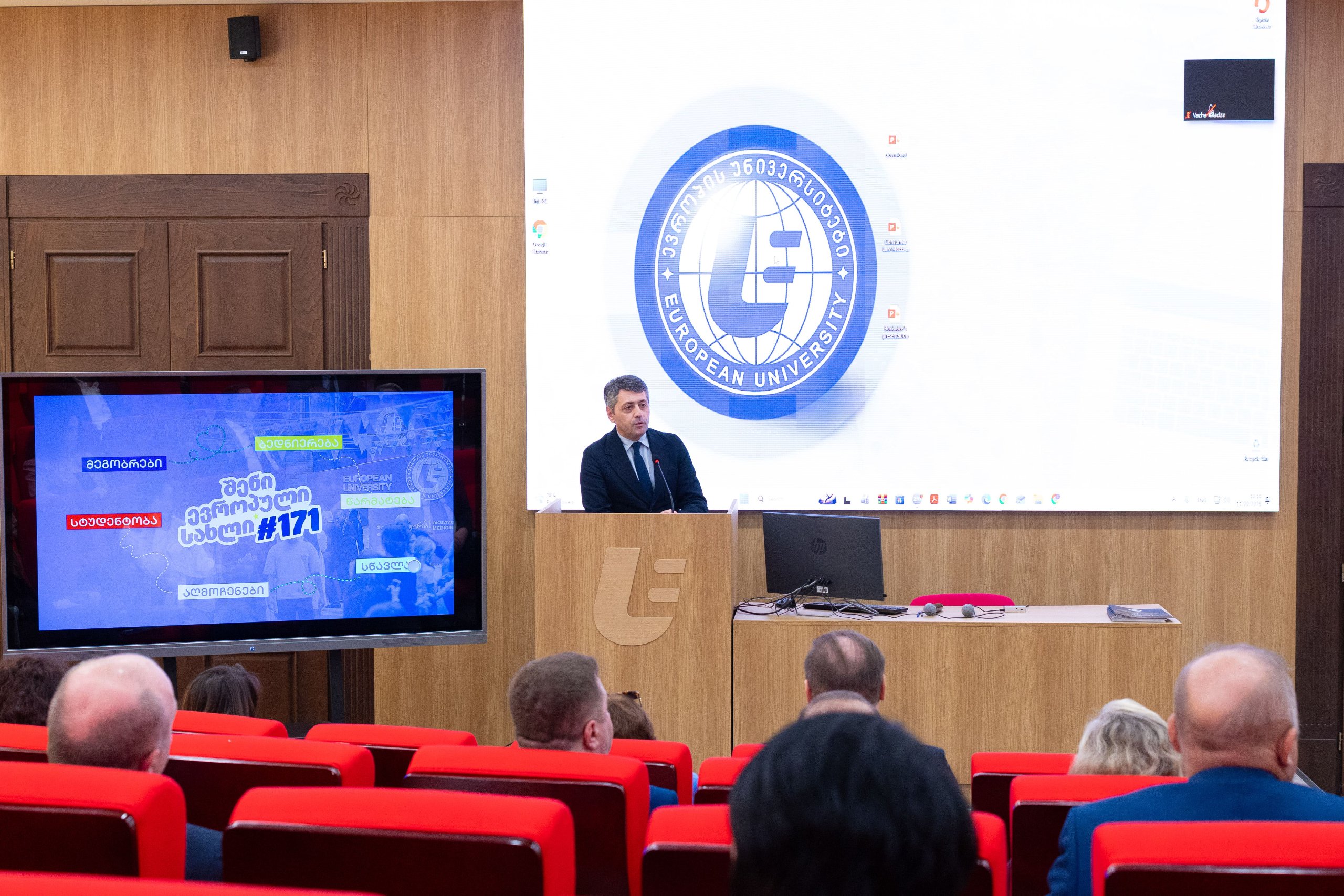
opened by Ioseb Kelenjeridze, Director of the Institute of Law, who highlighted
the role of law amid technological advancement and the importance of
international academic dialogue. Participants were also welcomed by Nikoloz
Farjanadze, Vice-Rector for International Relations at European University.
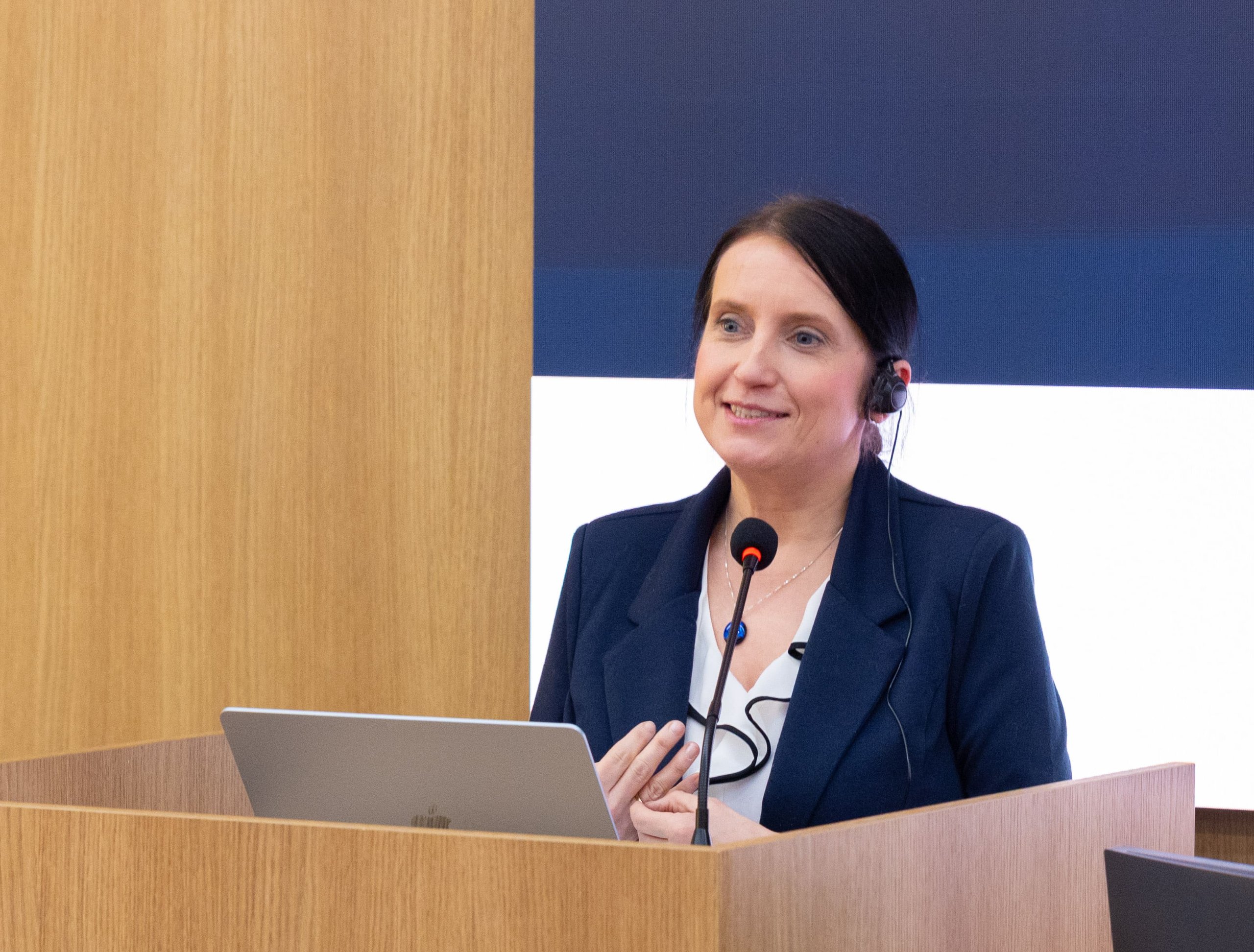
The conference
featured the following speakers:
Monika
Namysłowska - Professor at the University of Lodz, Poland.
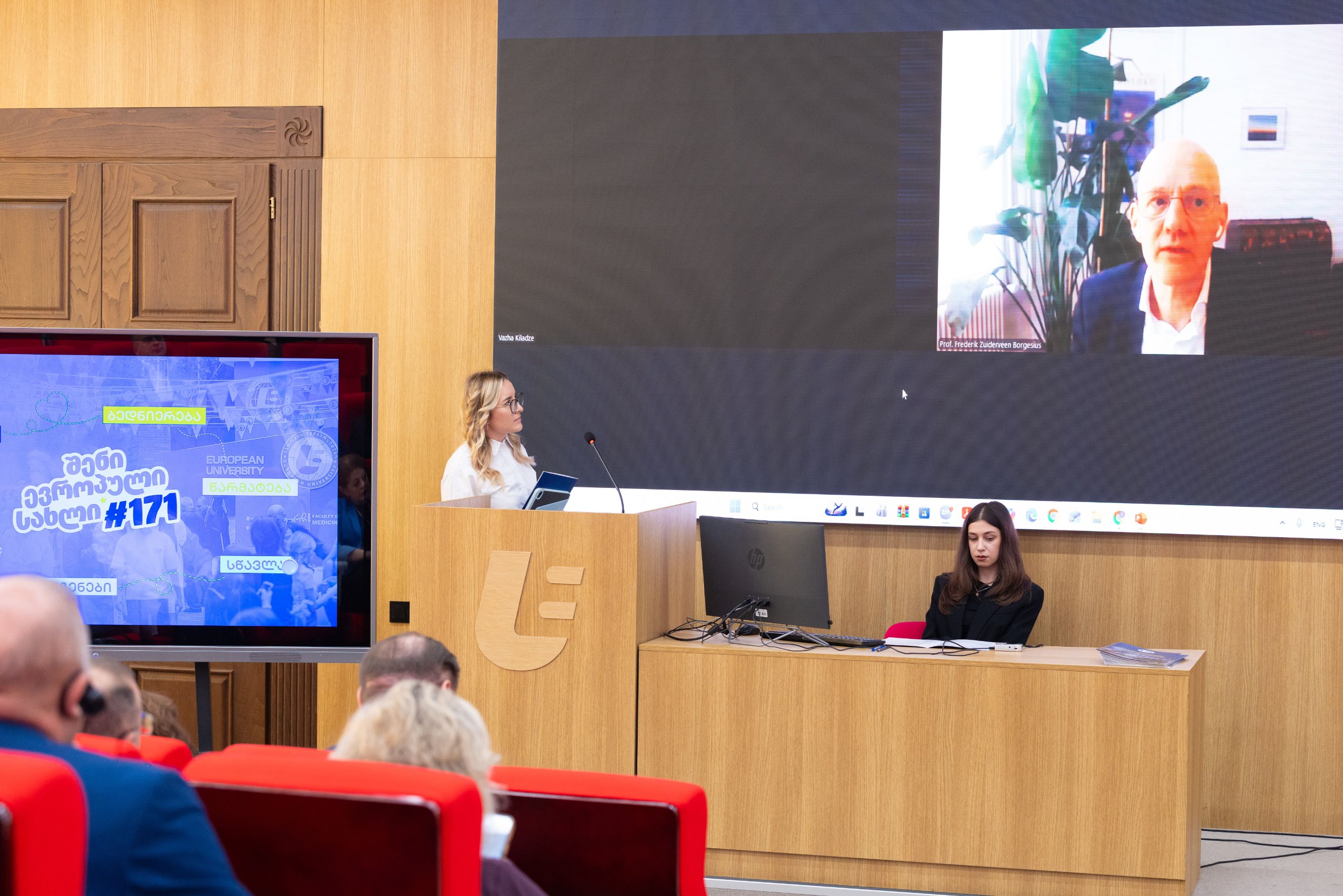
Frederik
Zuiderveen Borgesius - Professor of ICT and Law at the
Interdisciplinary Research Center for Digitalization and Society (iHub),
Radboud University, the Netherlands (online).
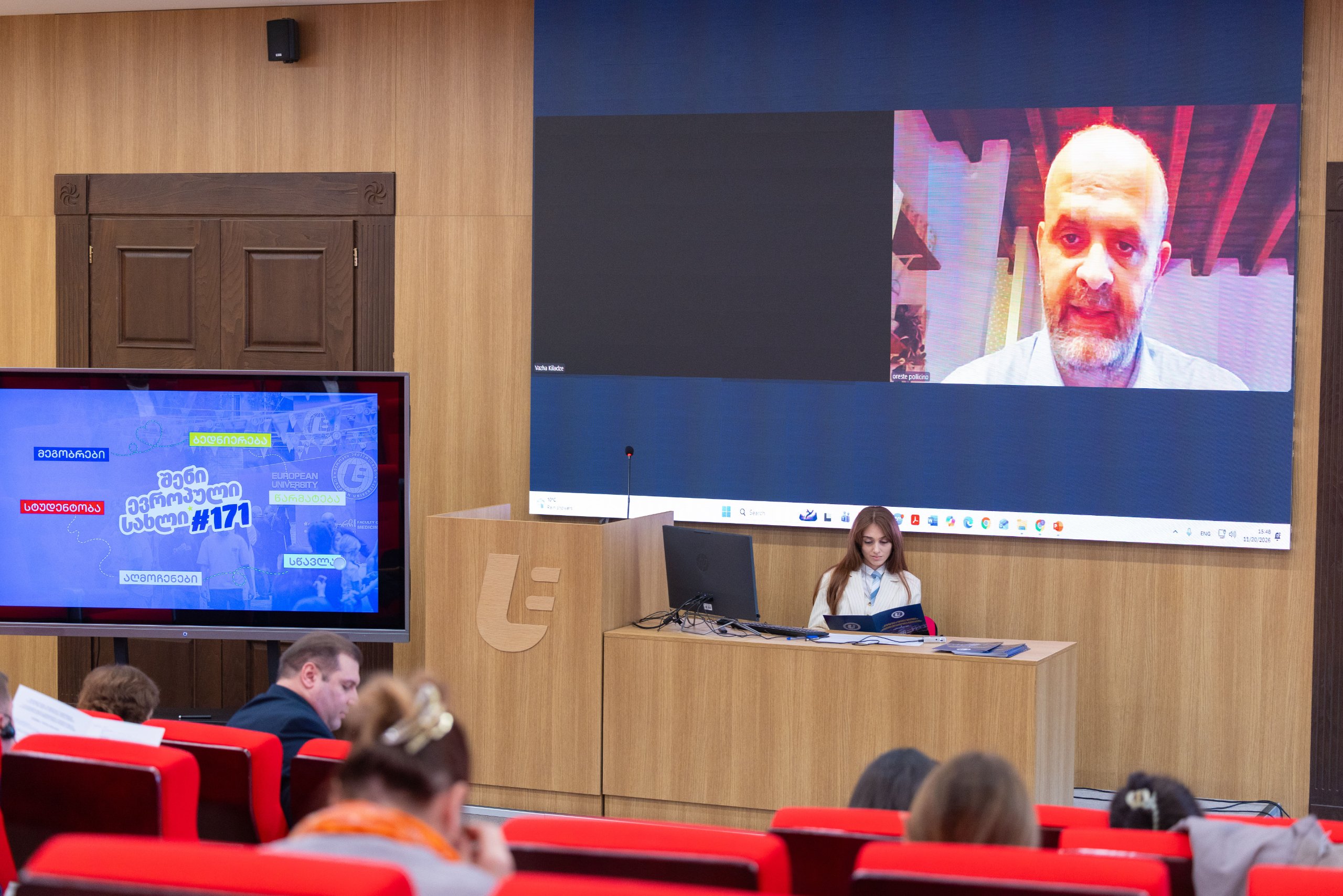
Oreste
Pollicino - Full Professor of Constitutional Law and AI
Regulation at the Department of Law, Bocconi University, Italy (online).
Khatuna
Burkadze - Doctor of Law, Professor at Caucasus
University, Georgia.
Tatia Dolidze - Doctor of Law, Professor and Dean of the School of Law at the International
University of Georgia, Georgia.
Papuna Guruli - Doctor of Law, Professor and Dean of the School of Humanities and Law at St.
Andrew the First-Called Georgian University of the Patriarchate of Georgia, Georgia.
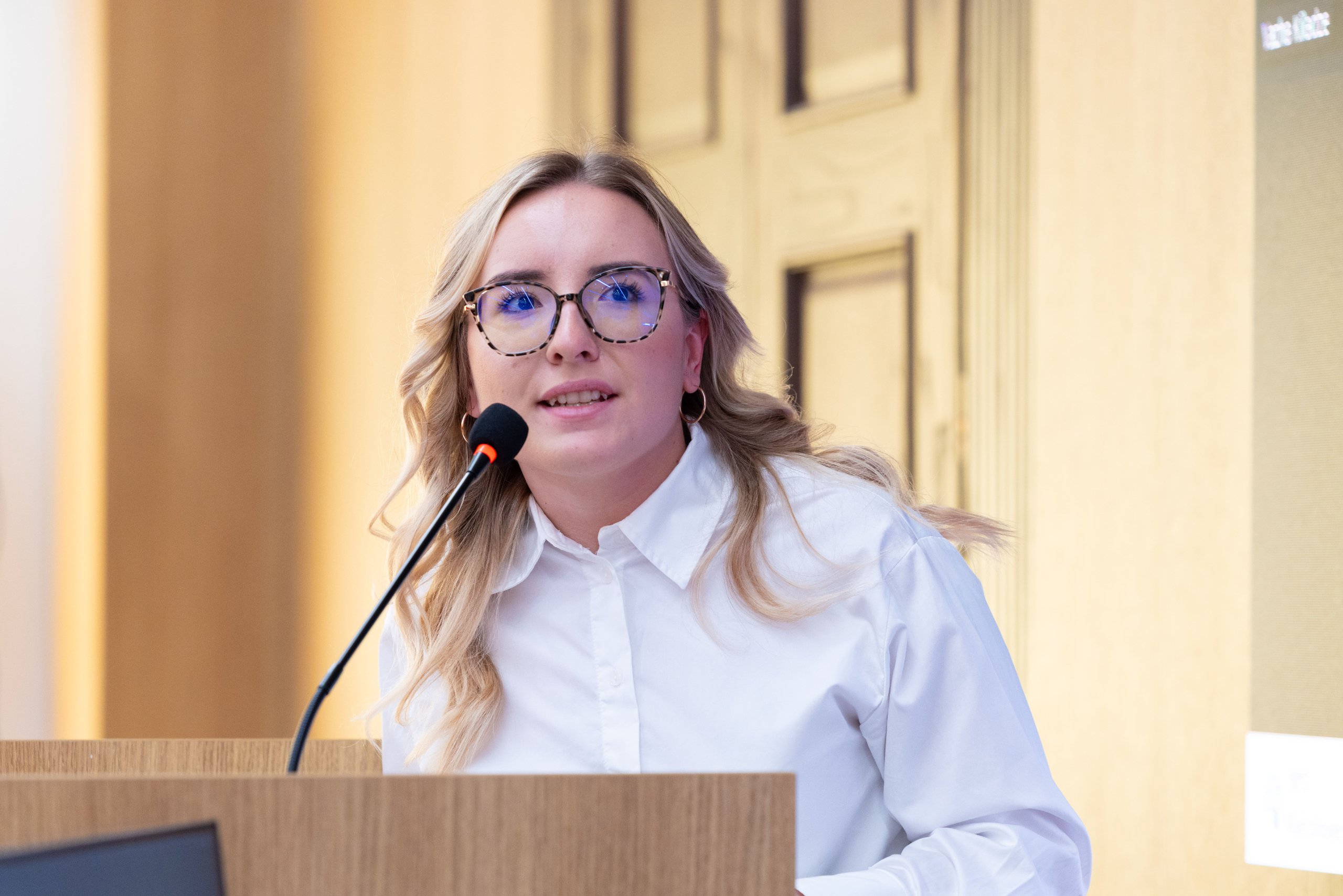
Julita
Maciejewska, a doctoral student at the University of Lodz,
Poland, also attended the event.
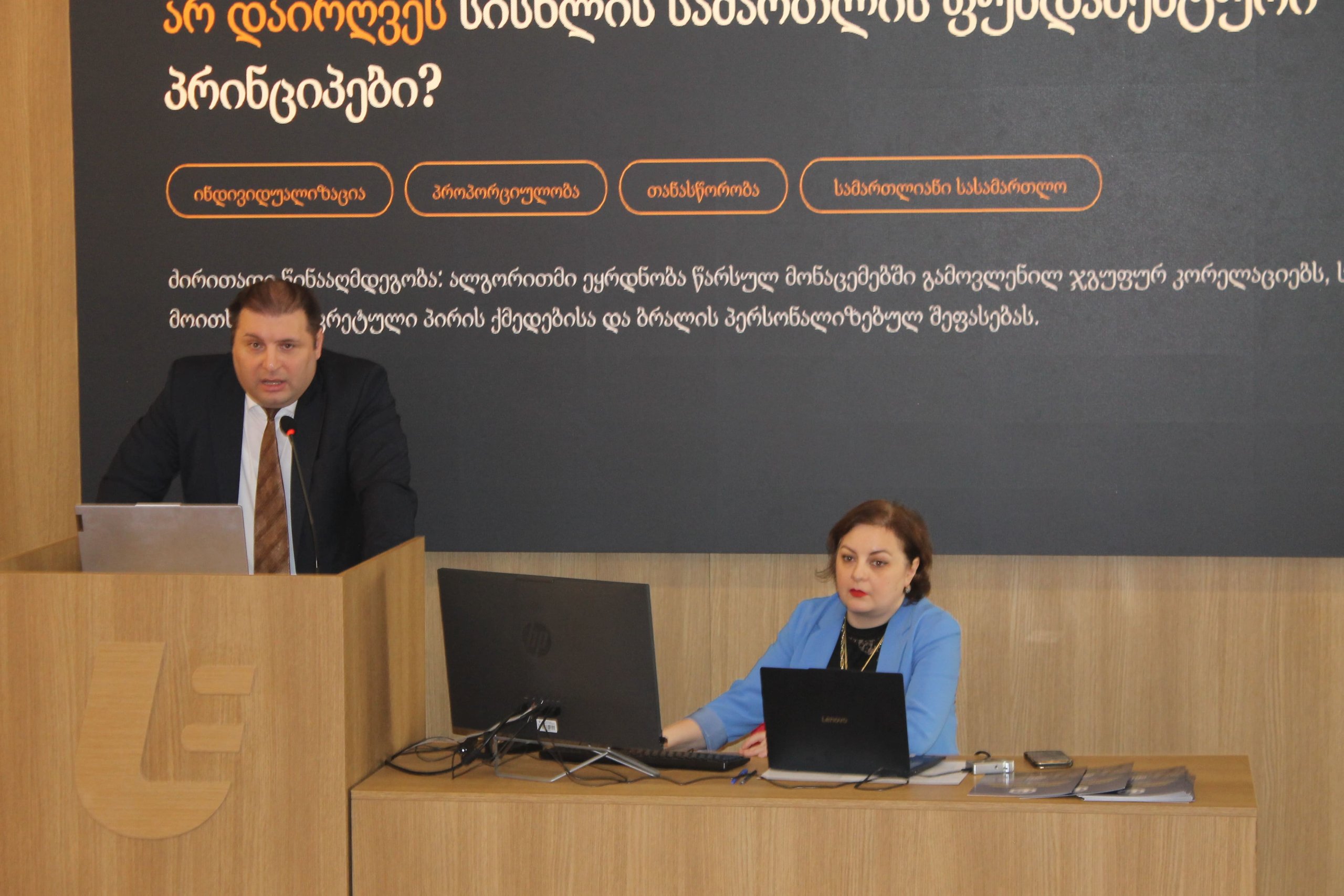
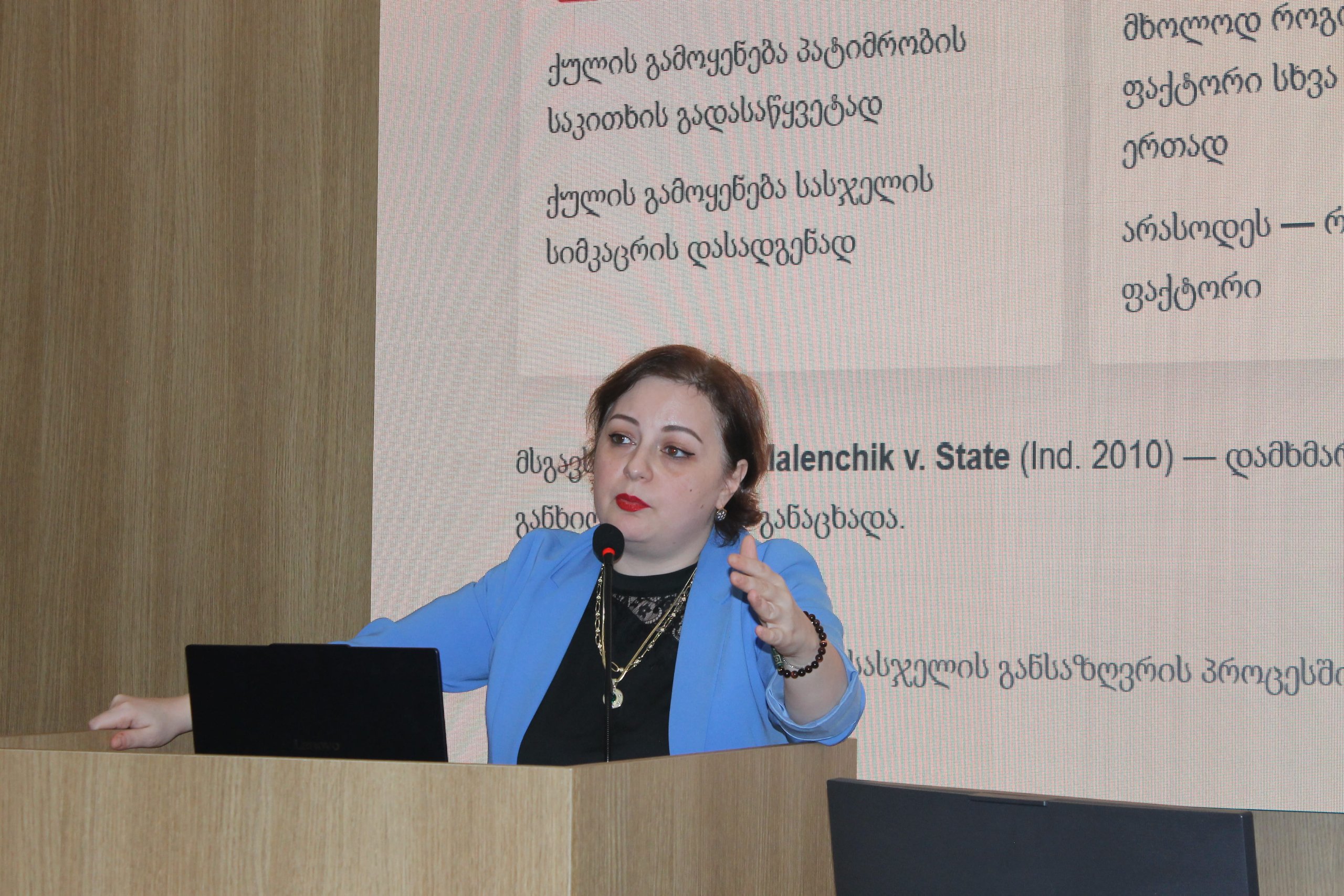
The speakers
addressed consumer protection, discrimination on socioeconomic grounds, the
constitutional dimensions of artificial intelligence, the legal foundations of
AI governance and the use of algorithms in the administration of justice. The
discussions revolved around a central question: how can society harness the
potential of artificial intelligence while ensuring effective protection of
human rights, equality and legal safeguards?
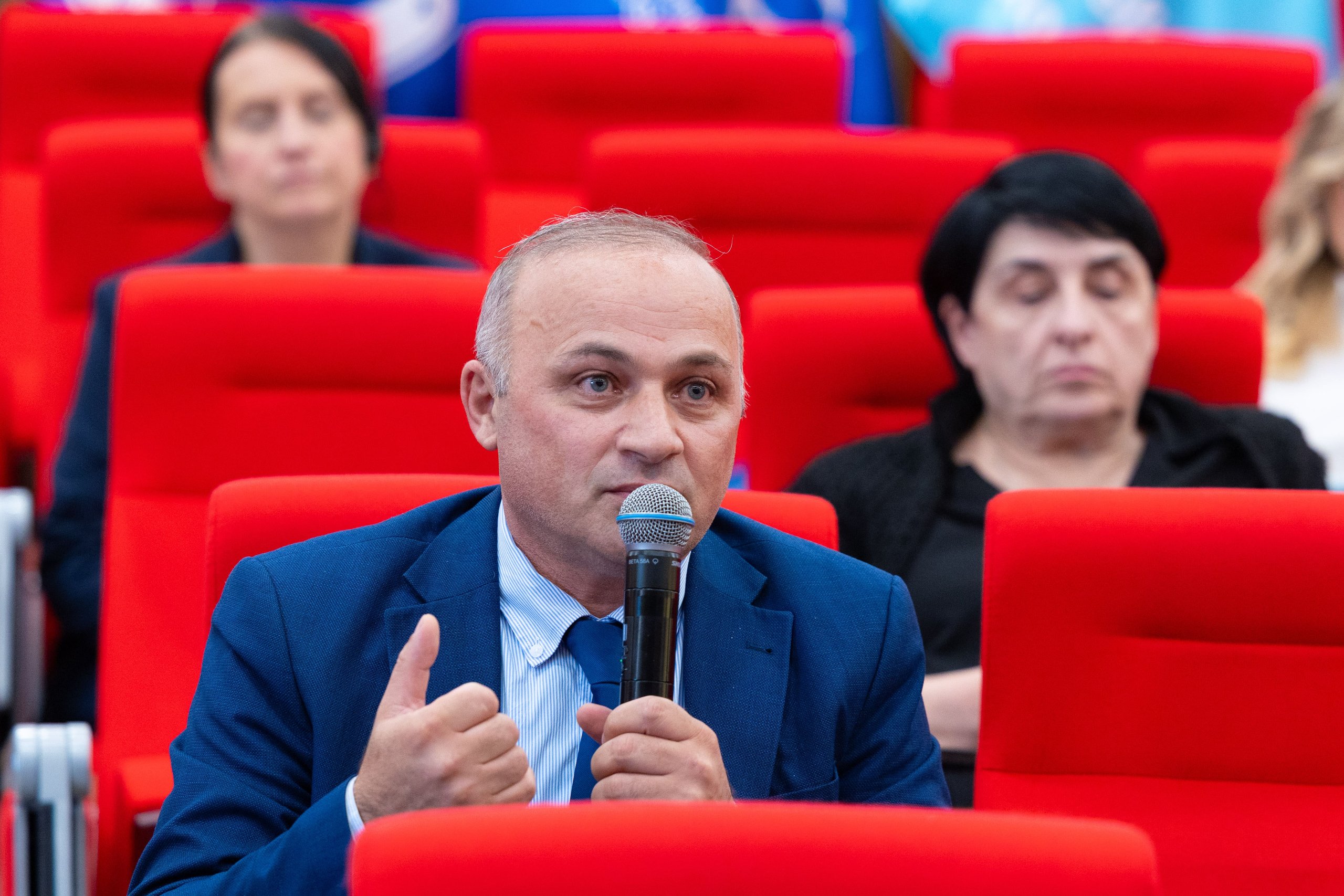
Question-and-answer
sessions following the presentations allowed participants to connect
theoretical approaches with practical challenges. Discussions covered the
transparency of automated decision-making, the allocation of liability, the
protection of vulnerable consumers and the potential application of European
experience in other legal systems.
The conference
fostered academic dialogue between Georgian and international researchers and
helped identify prospects for future collaboration.