

Law in the Age of Artificial Intelligence
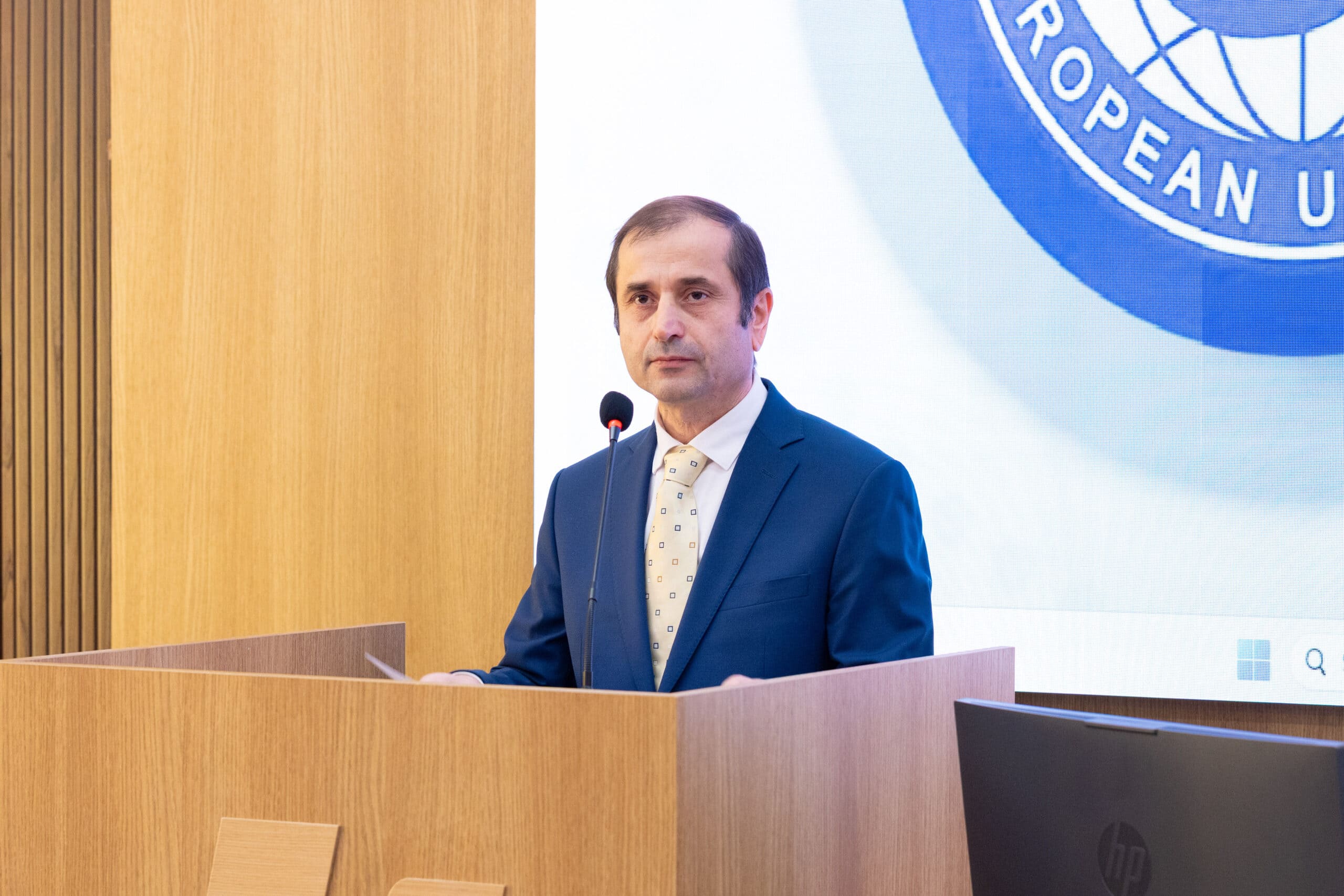
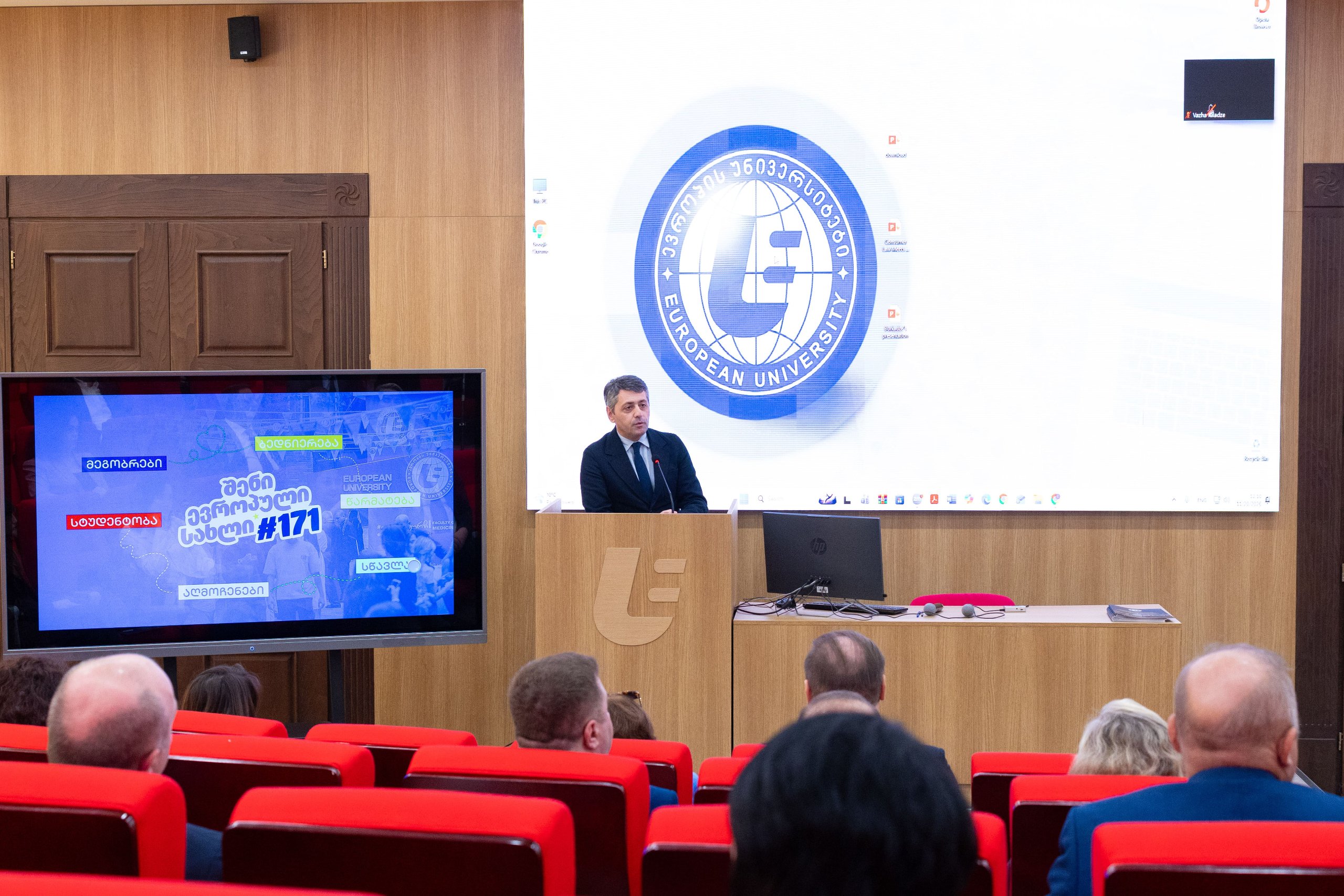
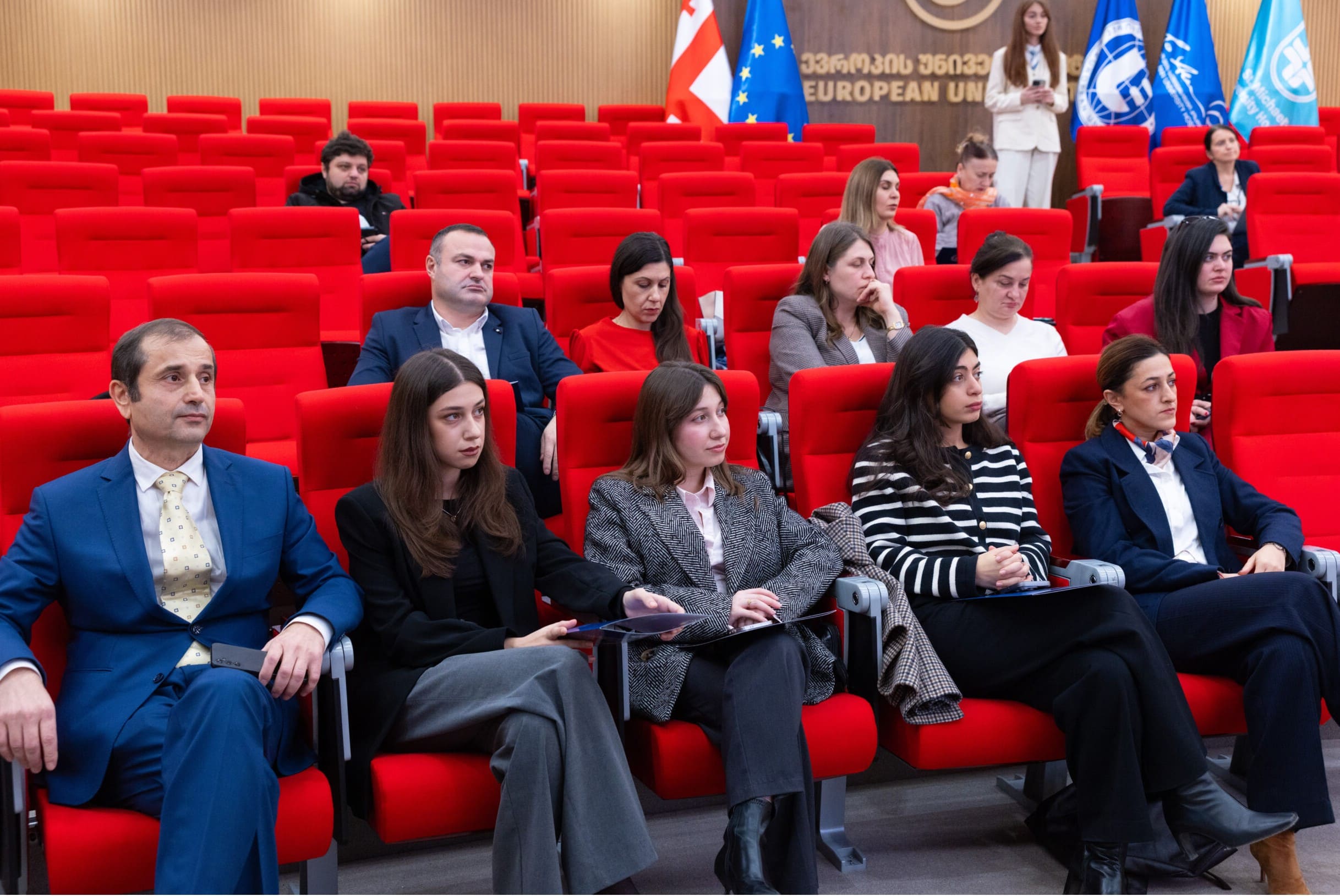
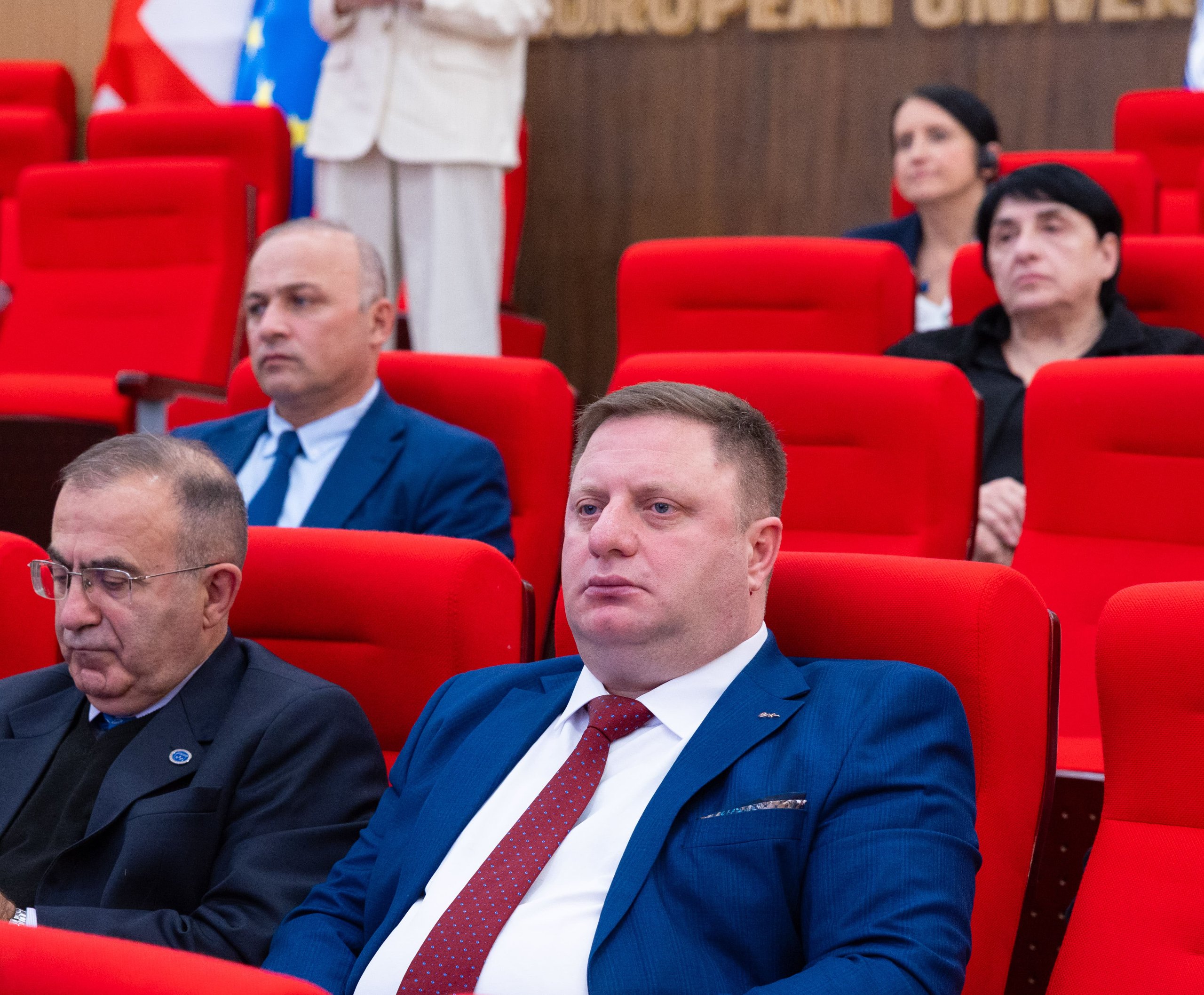
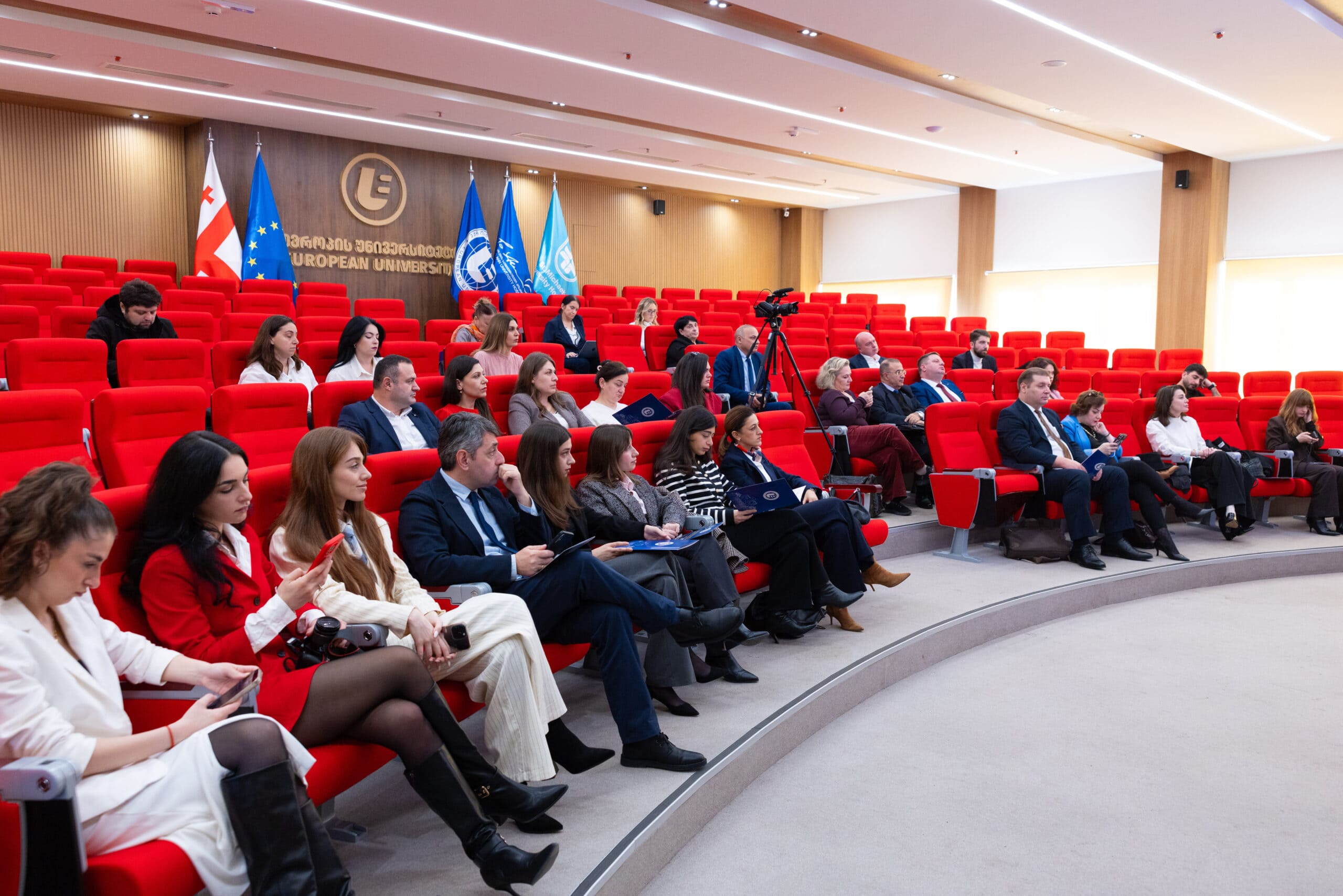
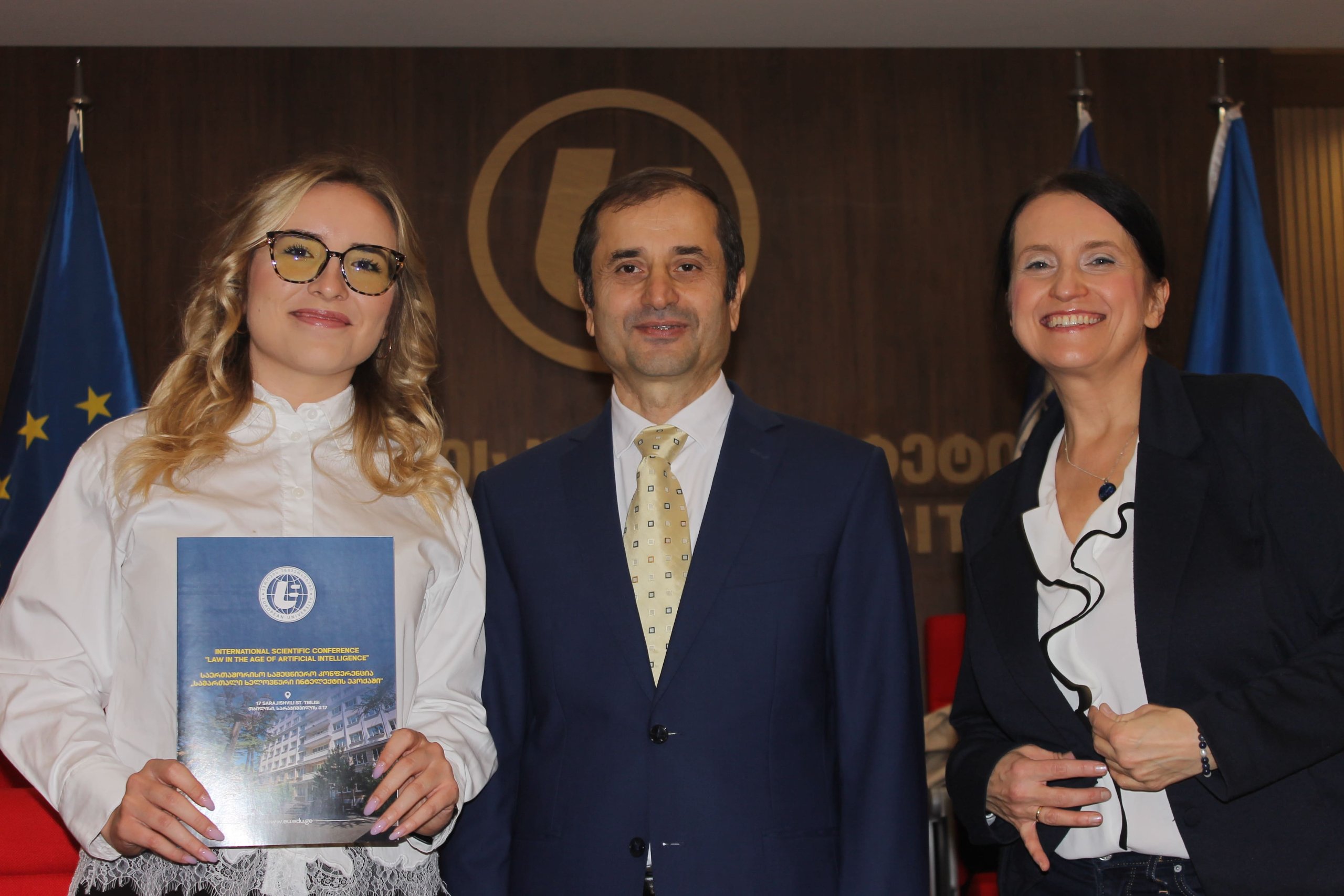
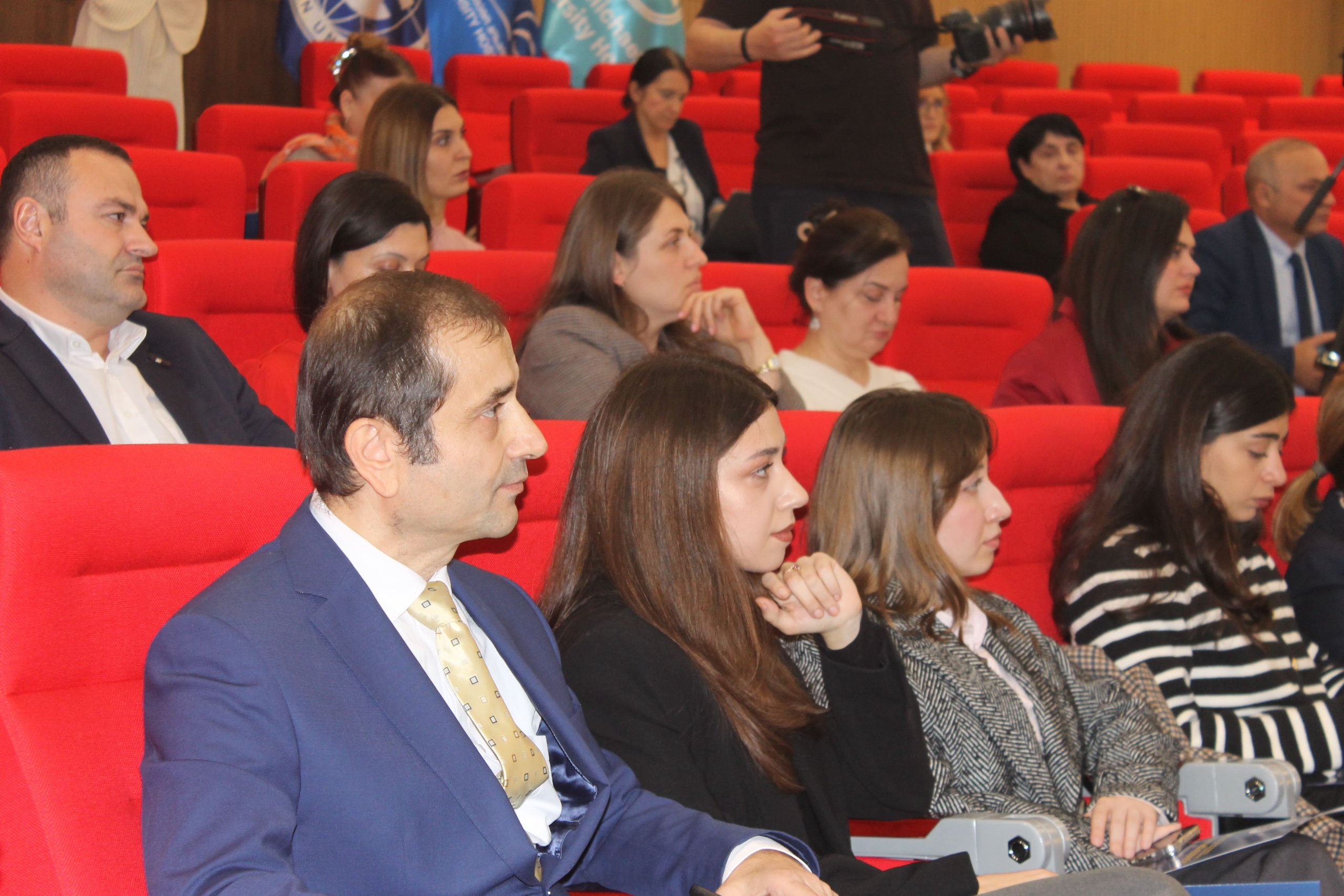
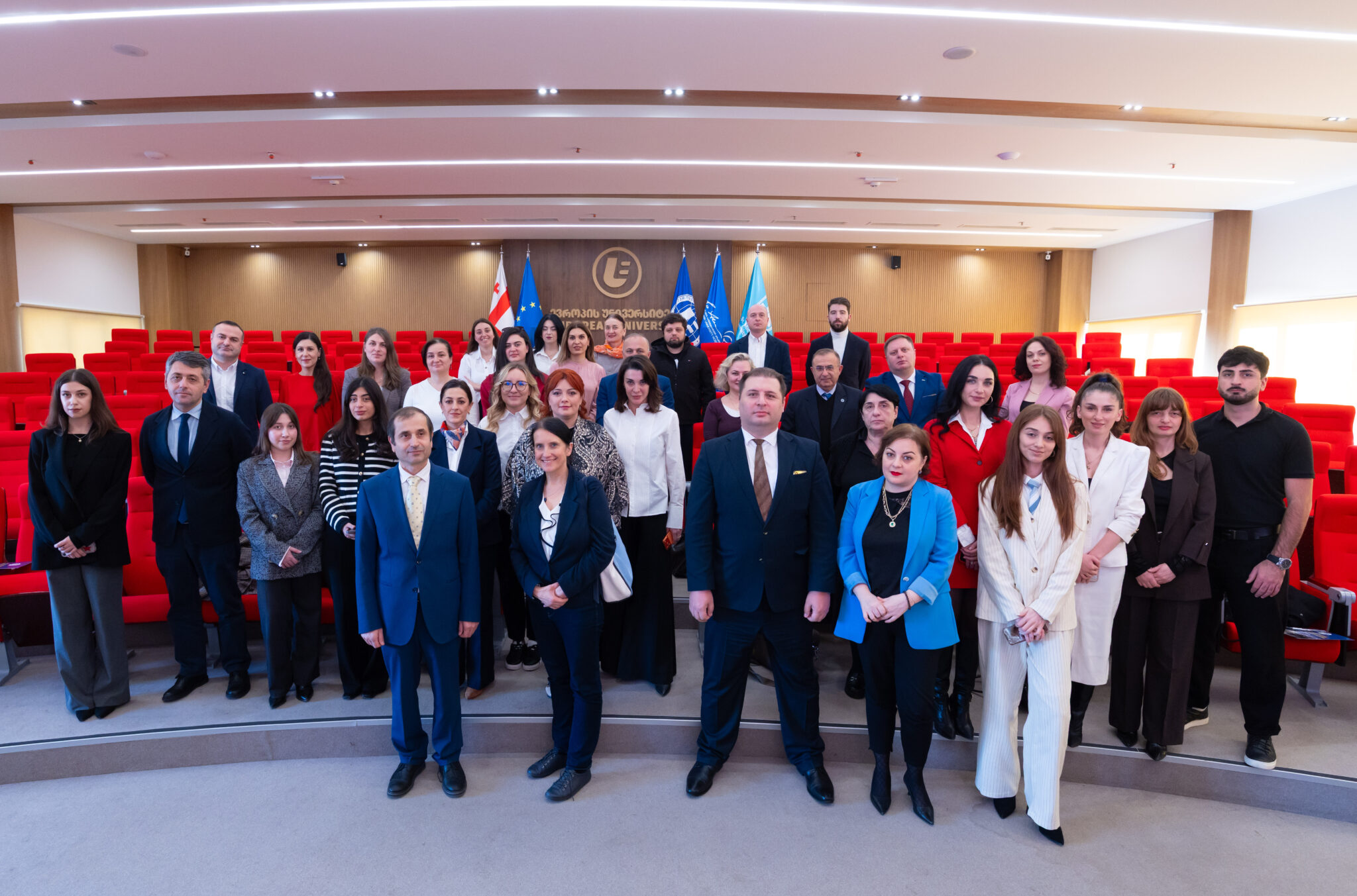
On November 20, 2026, the European University Institute of Law held an international scientific conference titled “Law in the Age of Artificial Intelligence.” The event brought together Georgian and international researchers, academics and practicing lawyers.
The conference aimed to examine legal issues arising from the development of artificial intelligence, share experiences from different countries and explore opportunities for future research collaboration.
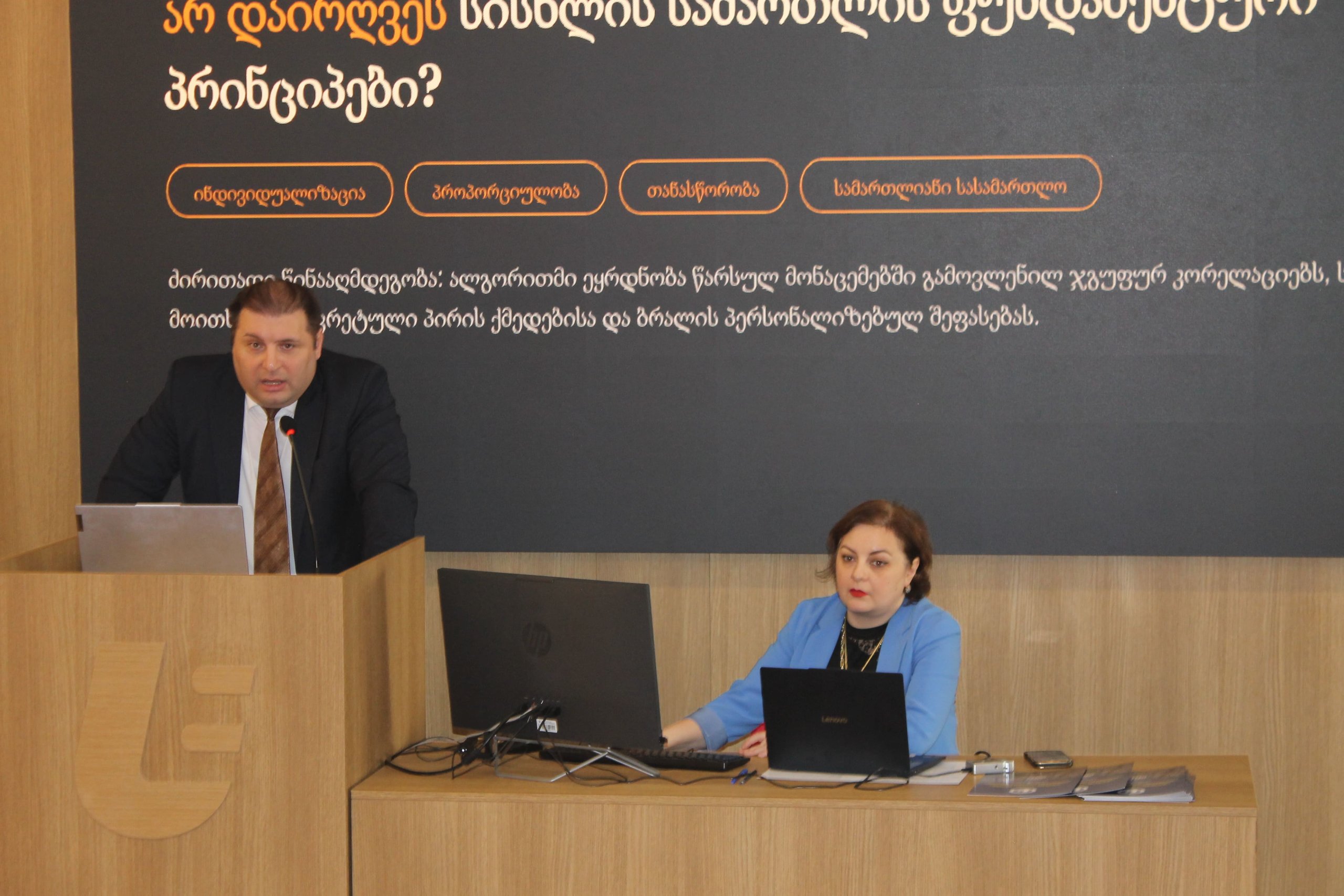
The event was opened by Ioseb Kelenjeridze, Director of the Institute of Law, who highlighted the role of law amid technological advancement and the importance of international academic dialogue. Participants were also welcomed by Nikoloz Farjanadze, Vice-Rector for International Relations at European University.
The conference featured the following speakers:
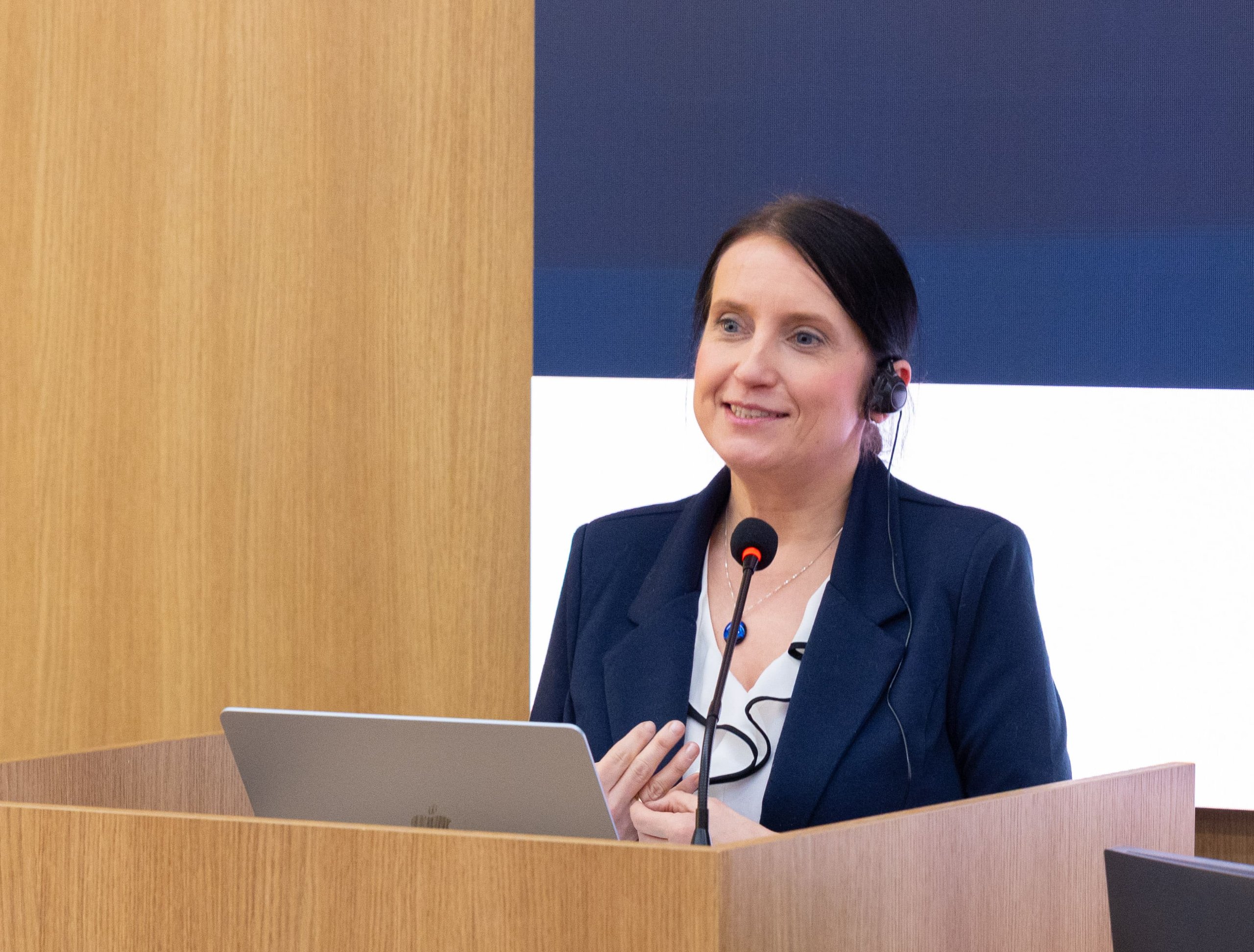
Monika Namysłowska - Professor at the University of Lodz, Poland.
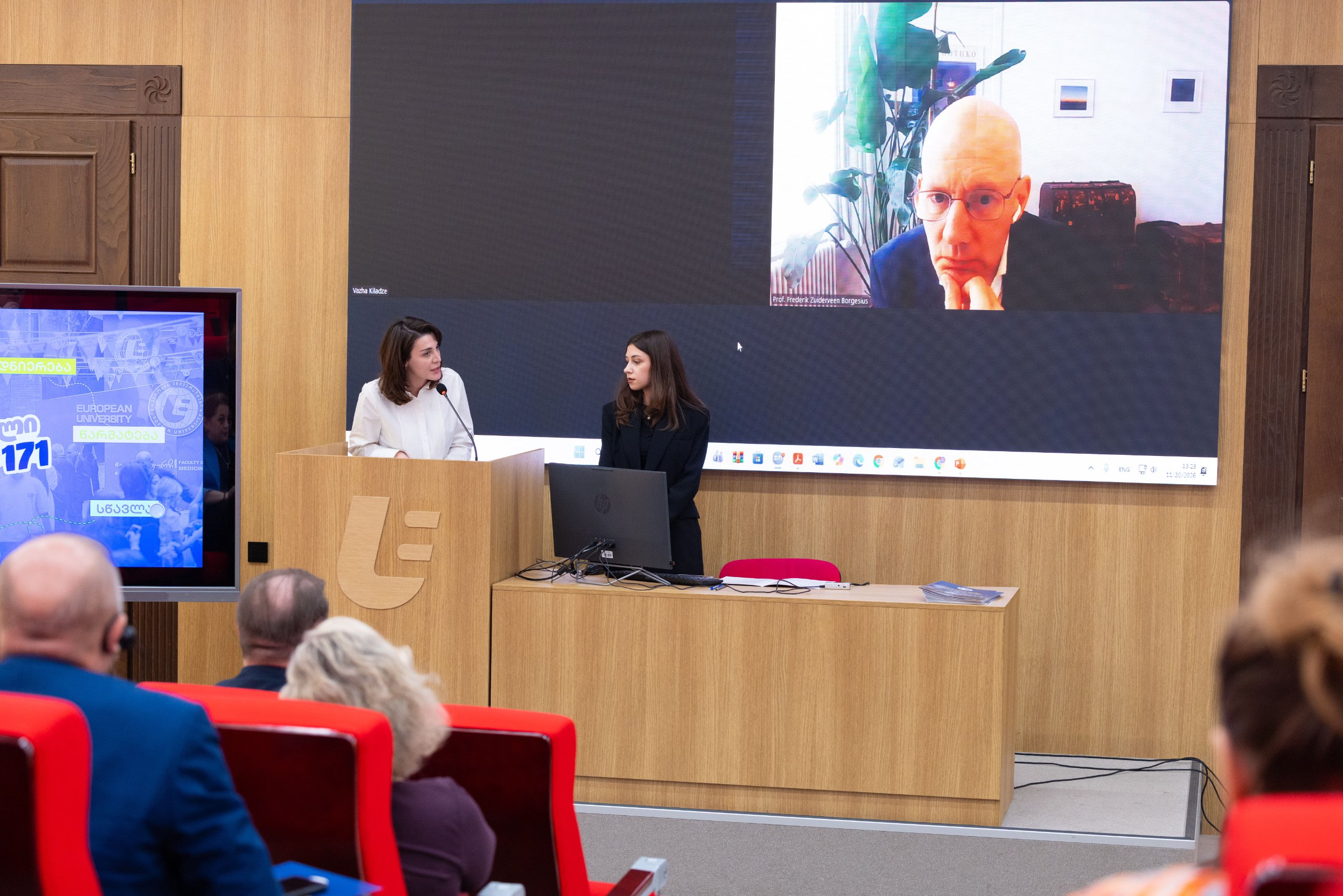
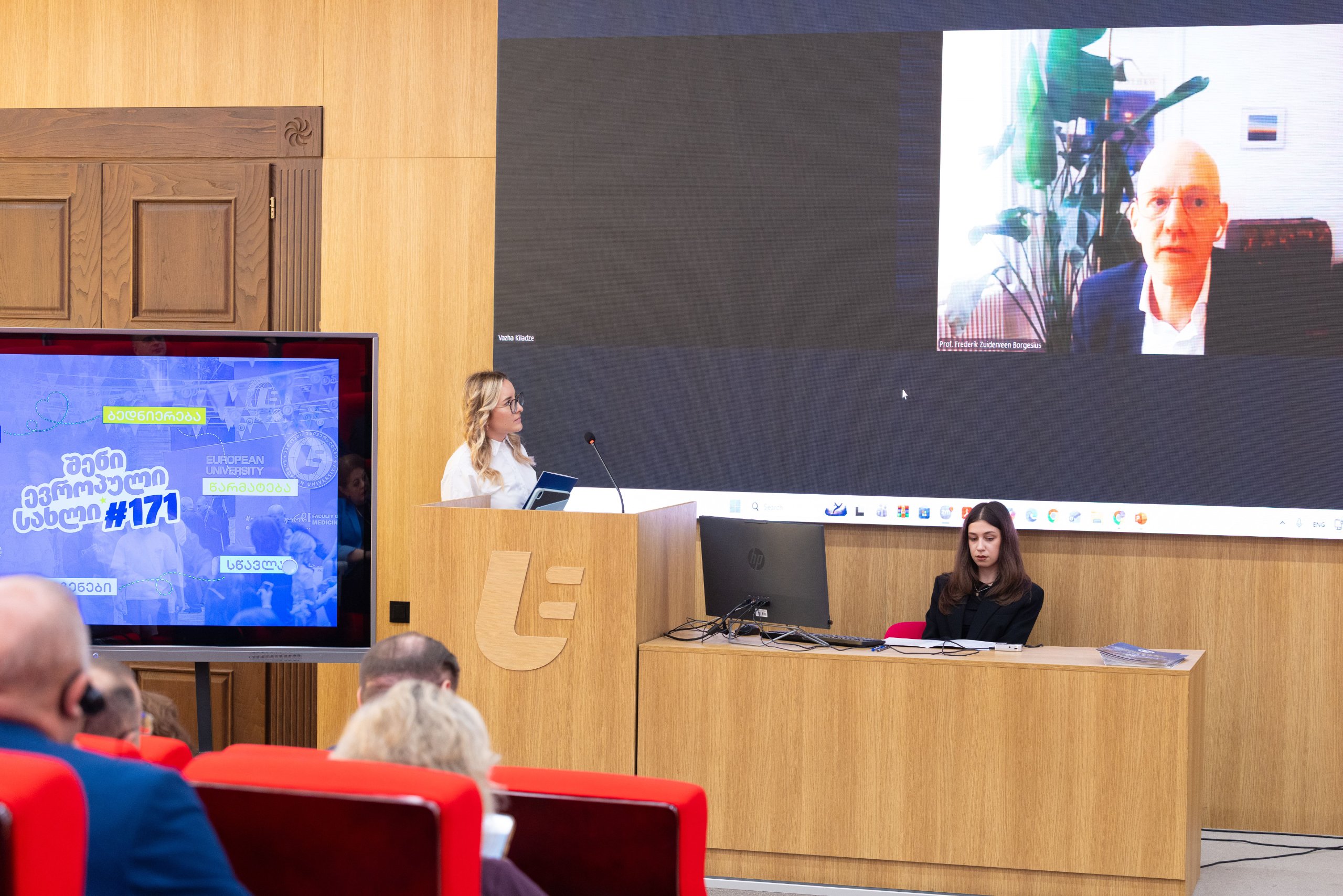
Frederik Zuiderveen Borgesius - Professor of ICT and Law at the Interdisciplinary Research Center for Digitalization and Society (iHub), Radboud University, the Netherlands (online).
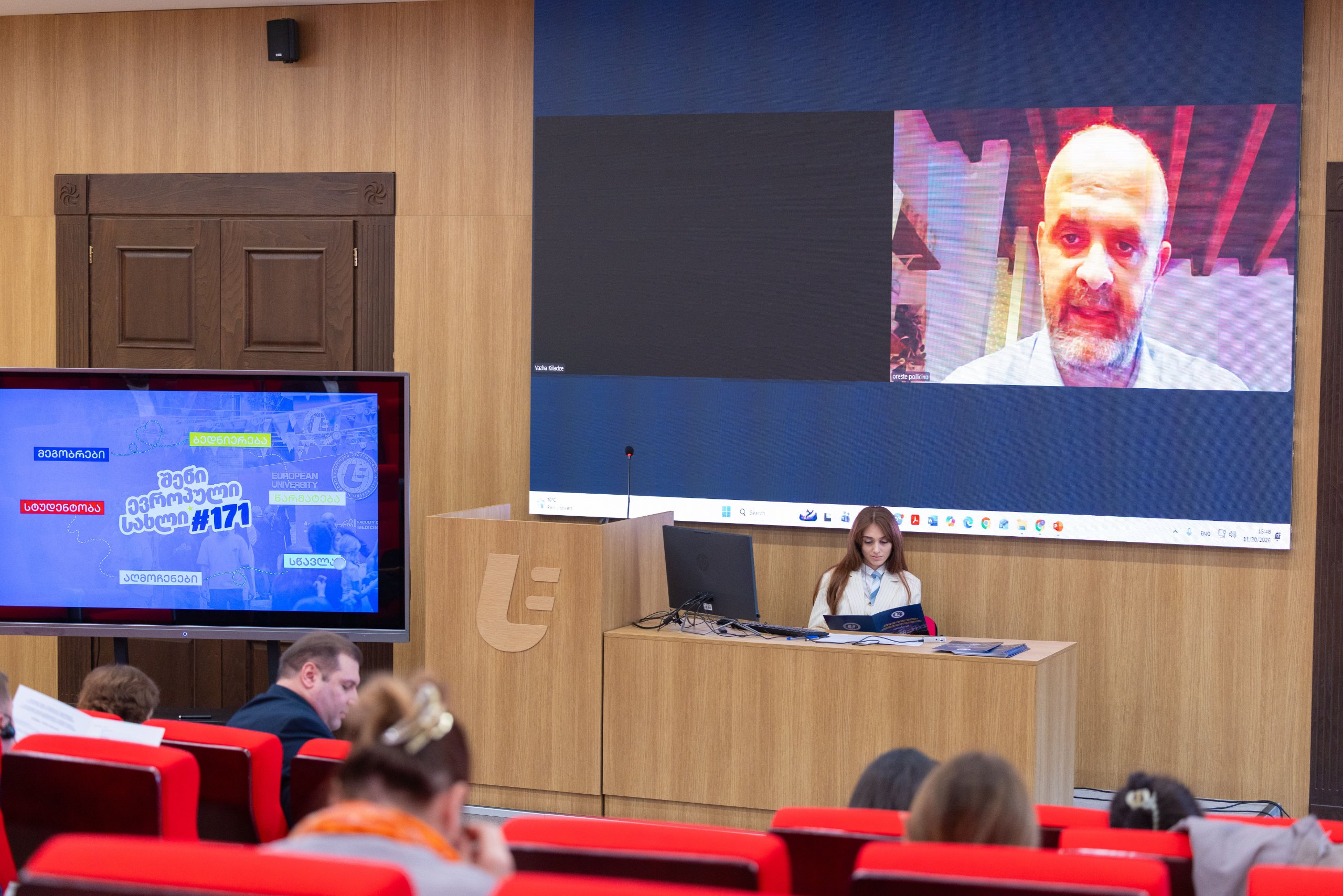
Oreste Pollicino - Full Professor of Constitutional Law and AI Regulation at the Department of Law, Bocconi University, Italy (online).
Khatuna Burkadze - Doctor of Law, Professor at Caucasus University, Georgia.
Tatia Dolidze - Doctor of Law, Professor and Dean of the School of Law at the International University of Georgia, Georgia.
Papuna Guruli - Doctor of Law, Professor and Dean of the School of Humanities and Law at St. Andrew the First-Called Georgian University of the Patriarchate of Georgia, Georgia.
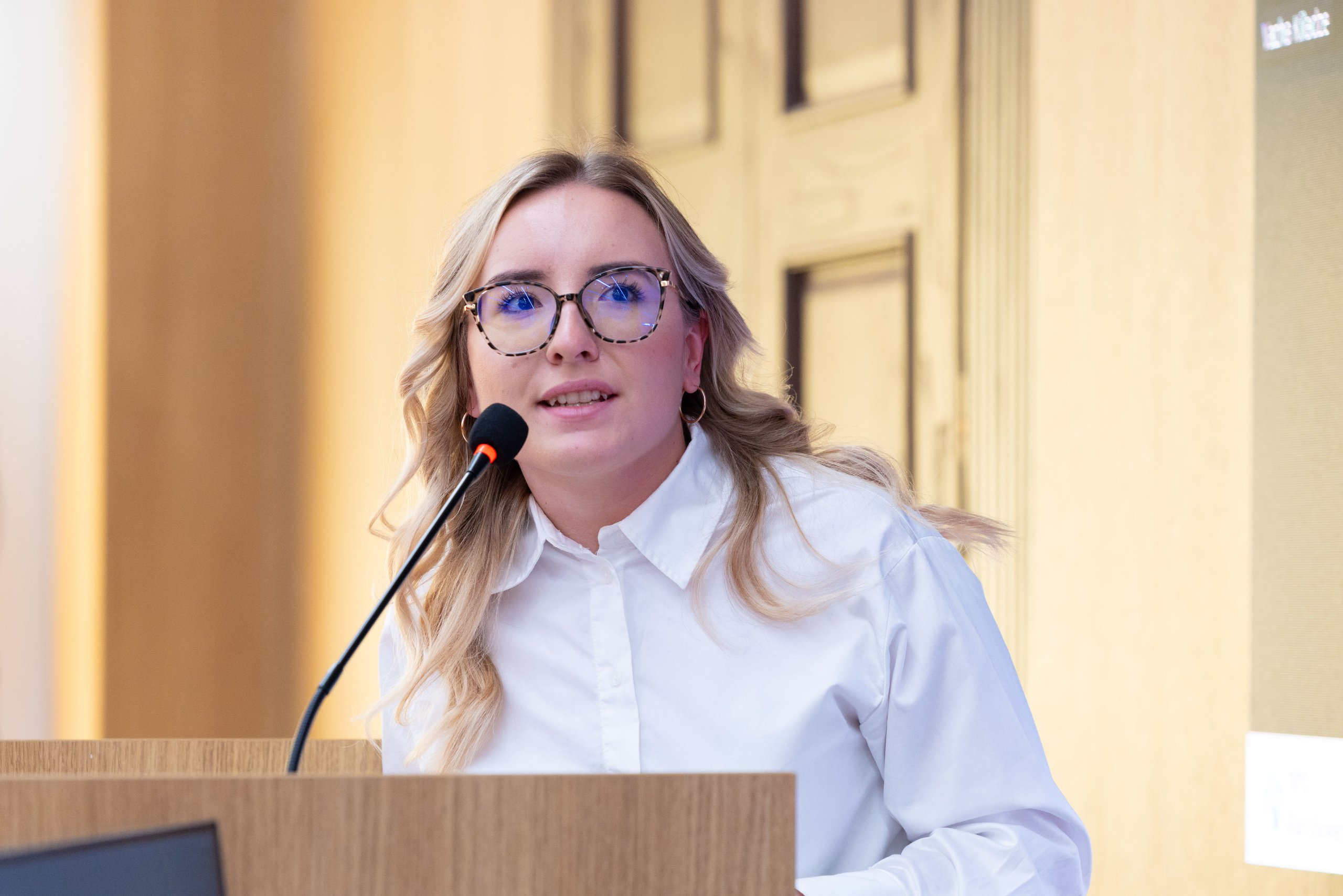
Julita Maciejewska, a doctoral student at the University of Lodz, Poland, also attended the event.
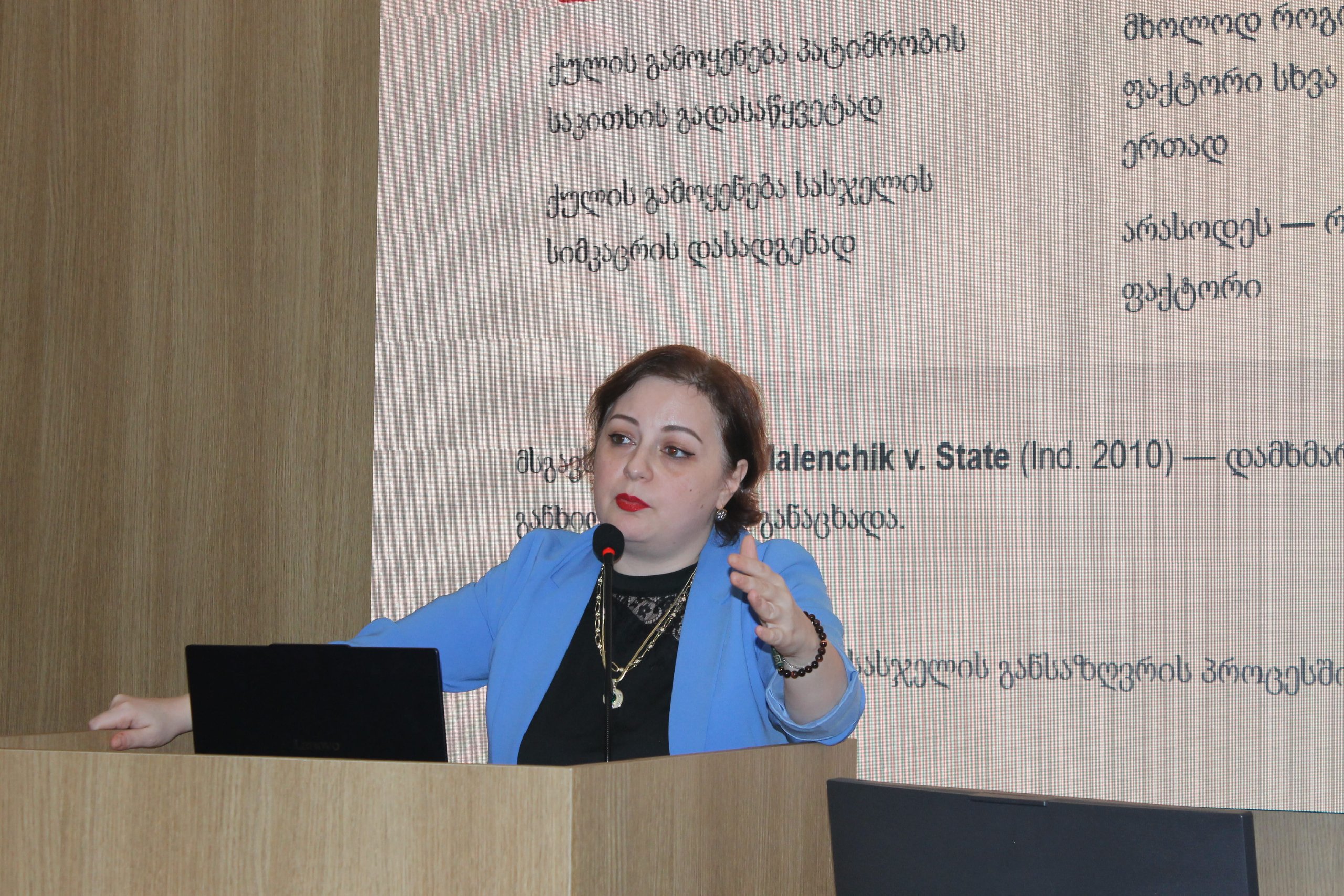
The speakers addressed consumer protection, discrimination on socioeconomic grounds, the constitutional dimensions of artificial intelligence, the legal foundations of AI governance and the use of algorithms in the administration of justice. The discussions revolved around a central question: how can society harness the potential of artificial intelligence while ensuring effective protection of human rights, equality and legal safeguards?
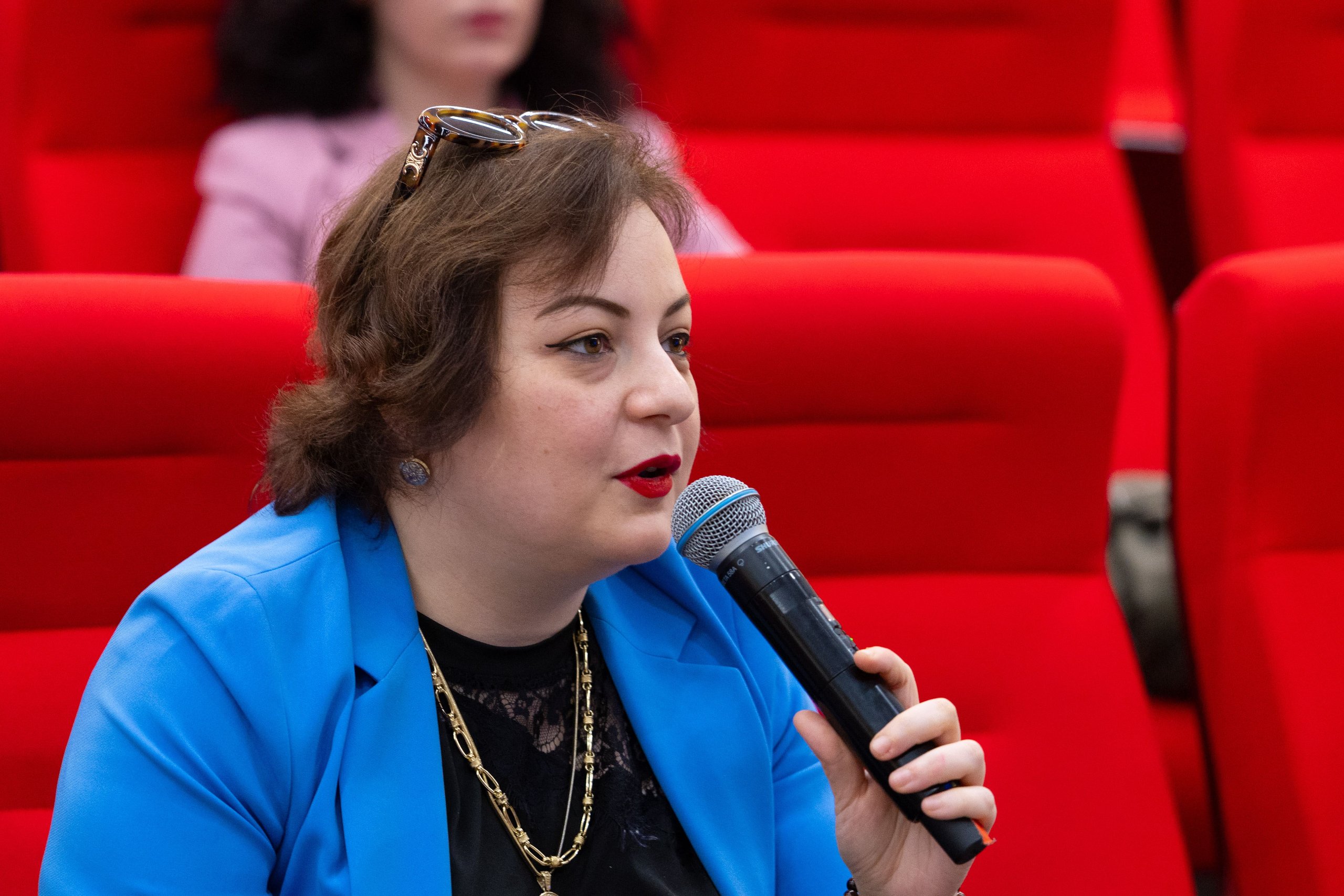
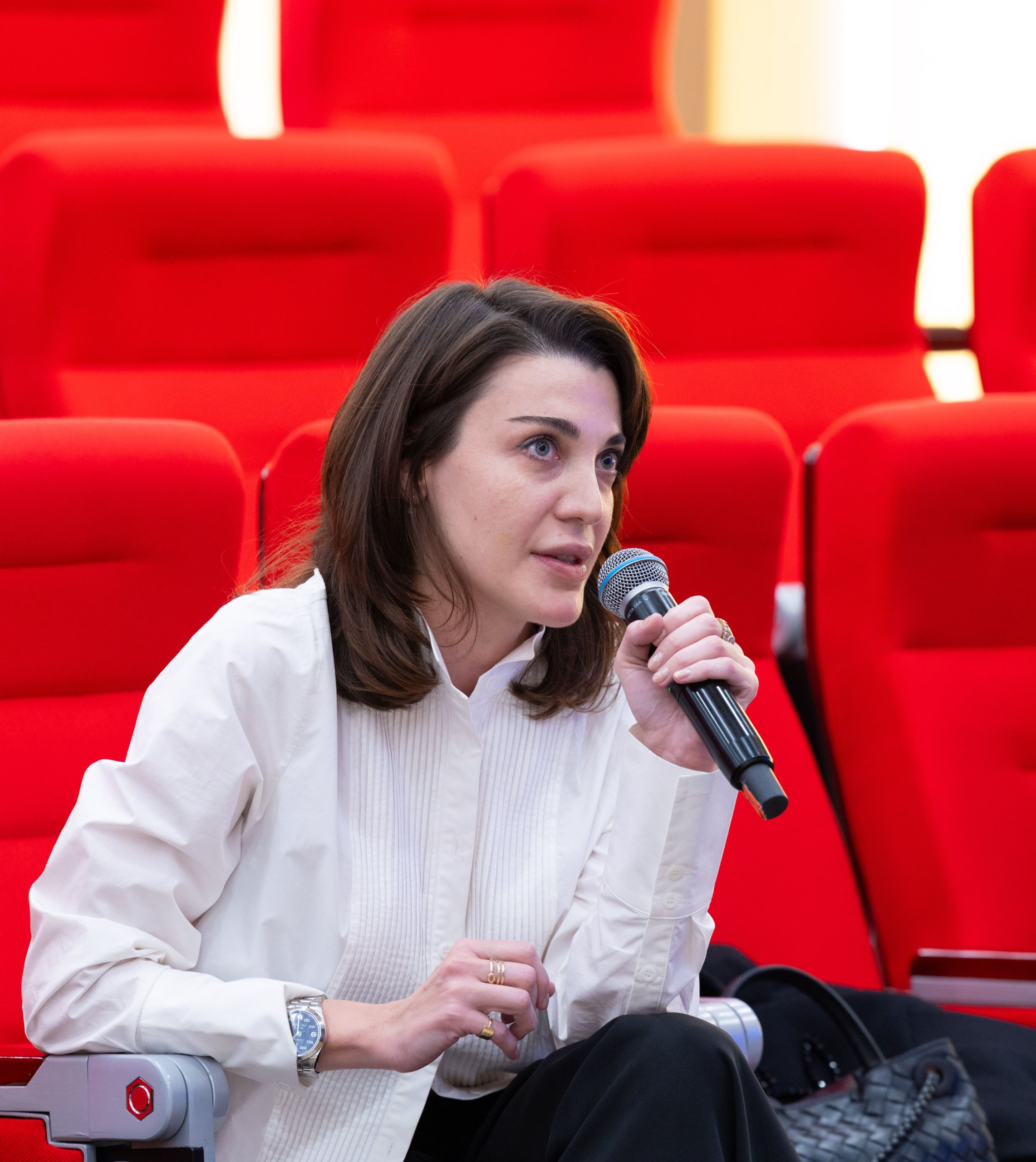
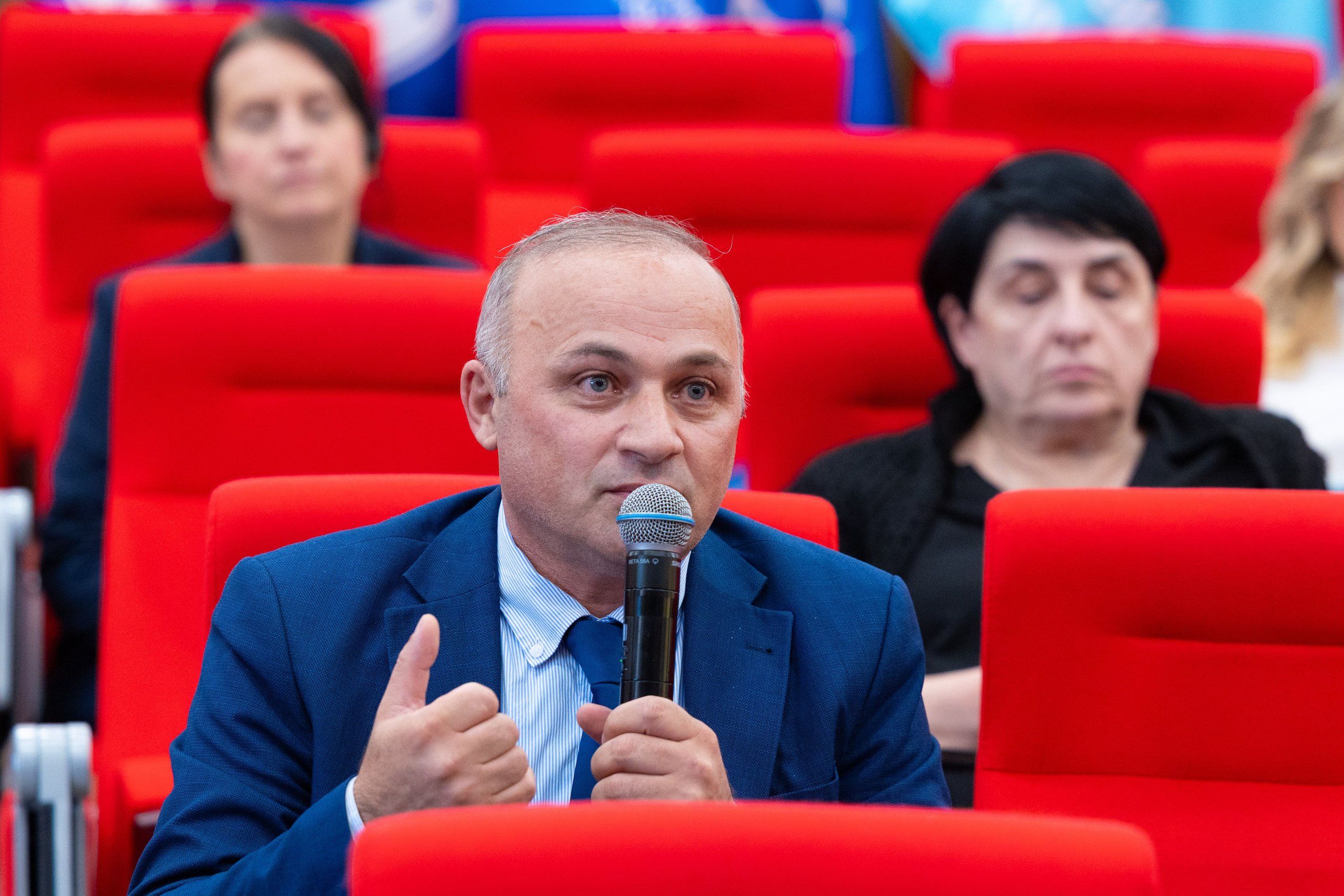
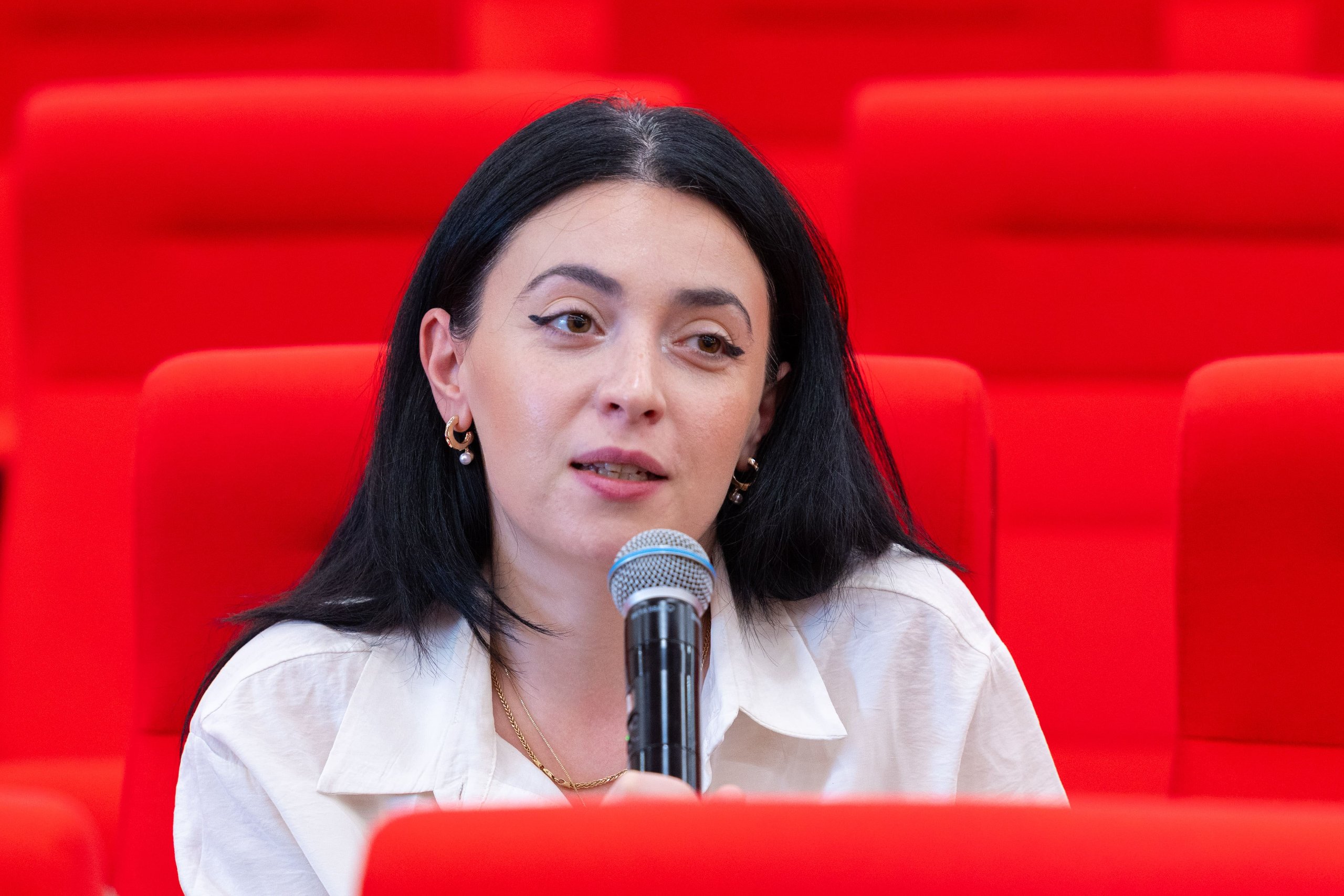
Question-and-answer sessions following the presentations allowed participants to connect theoretical approaches with practical challenges. Discussions covered the transparency of automated decision-making, the allocation of liability, the protection of vulnerable consumers and the potential application of European experience in other legal systems.
The conference fostered academic dialogue between Georgian and international researchers and helped identify prospects for future collaboration.